

 See My Latest Article on HelloNation
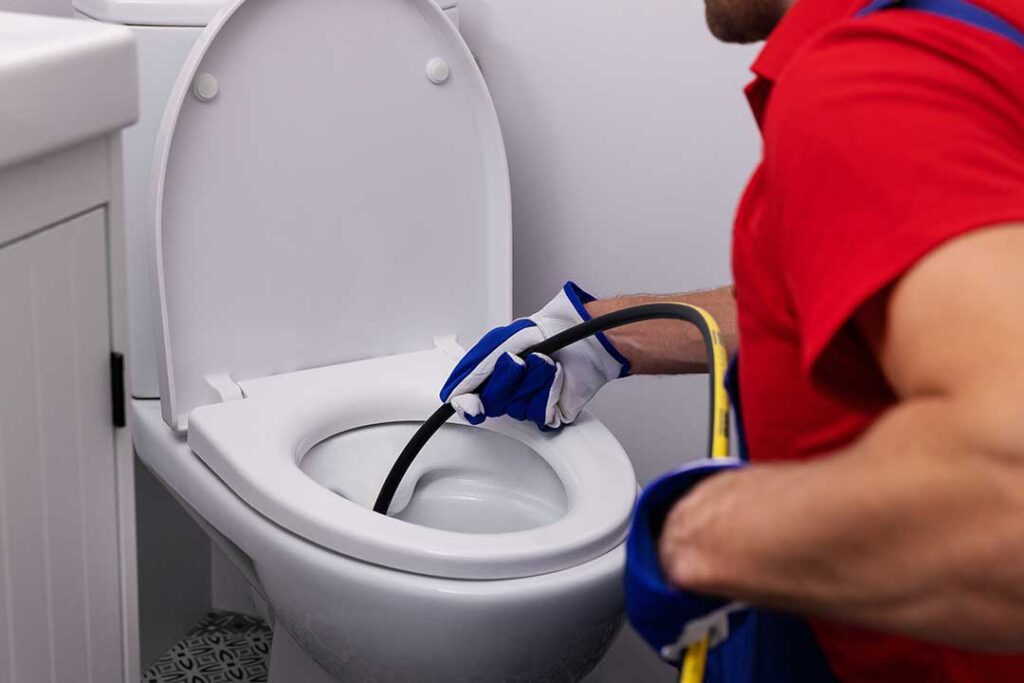
Are “flushable” wipes really safe to flush?
No. The safest practice is to flush only human waste and toilet paper. Even wipes labeled “flushable” may remain intact long enough to clog household pipes, sewer mains, lift stations, pumps, or wastewater treatment equipment.
Toilet paper is designed to break apart quickly in moving water. Wipes are made to stay wet and durable during use, so they usually do not disperse in the same way. A wipe may disappear from view after flushing while continuing through the plumbing as a partially intact sheet.
That difference is the main reason a toilet can appear to work normally for weeks or months before a blockage develops.
Why do wipes cause clogs?
Wipes can catch on rough areas, pipe joints, accumulated buildup, tree-root intrusion, or other materials inside a drainage line. Once one wipe becomes lodged, additional wipes, toilet paper, hair, grease, and other debris can collect around it.
A clog may form in several places:
- The toilet trapway
- The building drain beneath the home
- The private sewer lateral between the home and the public main
- A neighborhood sewer main
- A pump or lift station
- Screens and mechanical equipment at a wastewater treatment plant
Older homes and properties with settled, cracked, narrow, or poorly aligned sewer piping can be more vulnerable. However, newer plumbing is not immune. The problem is often the material itself rather than the age of the pipe.
Why can a wipe cause trouble if only one is flushed?
A single wipe may not create an immediate blockage, but repeated flushing changes the risk. Wipes can accumulate gradually in places where wastewater flow is weaker or where the pipe interior is uneven.
This is similar to adding small amounts of debris to a drain over time. The toilet may flush normally until the collected material becomes large enough to restrict flow. Warning signs can then appear suddenly:
- Water rises higher than usual in the bowl
- The toilet drains slowly
- Several fixtures drain sluggishly at the same time
- Gurgling comes from a toilet, tub, or floor drain
- Water backs up into a shower or bathtub
- An unpleasant sewage odor develops near drains
When multiple fixtures are affected, the obstruction may be farther down the building drain or sewer line rather than inside the toilet itself.
What happens after wipes leave the house?
Wipes do not stop being a problem once they enter the public sewer system. They can combine with fats, oils, grease, paper products, and other debris to create dense masses that restrict flow.
Public wastewater systems use gravity sewers, pumps, lift stations, screens, and treatment equipment. Wipes can become tangled in pumps or caught on screening equipment. Removing these materials requires extra maintenance and can interrupt normal system operation.
Warrenton operates a municipal wastewater treatment plant and maintains sewer mains and lift stations. That system is designed to handle wastewater and toilet paper, not durable personal-care products. Keeping wipes out of the toilet helps protect both individual plumbing and shared infrastructure.
Can “biodegradable” or “septic-safe” wipes be flushed?
Those descriptions do not guarantee that a product will break apart quickly enough for a particular plumbing system. “Biodegradable” generally refers to eventual decomposition, not immediate dispersal during a toilet flush or through a sewer line.
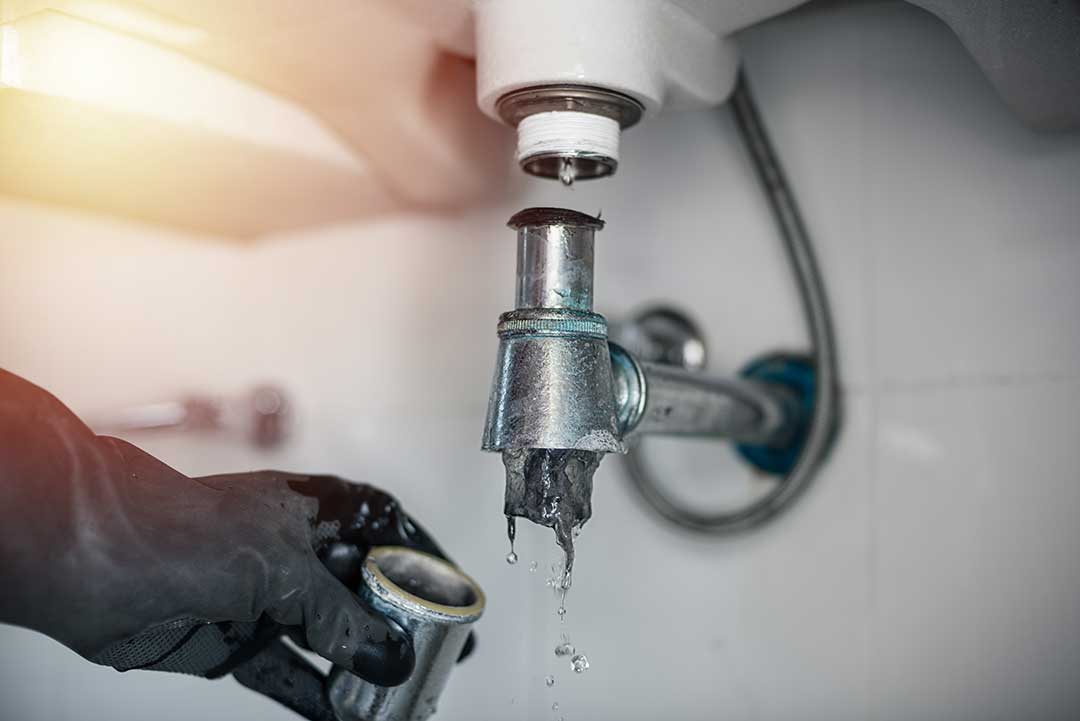
“Septic-safe” can also be misunderstood. A product may be marketed for use around a septic system while still creating problems if used heavily or flushed repeatedly. Septic tanks and drainfields depend on controlled biological treatment and proper solids management. Durable wipes can collect in the tank, move toward the outlet, or contribute to drainfield problems.
For homes with septic systems, the conservative rule is especially simple: flush only human waste and toilet paper. Wipes should go into a lined trash container.
Does the plumbing system matter?
Yes. Plumbing layout, pipe condition, slope, water flow, and maintenance history can all affect how quickly a problem develops.
Homes with long sewer laterals, low-flow toilets, partially blocked drains, or older underground piping may provide more opportunities for wipes to collect. Seasonal conditions can also matter. Heavy rain and groundwater entering sanitary sewer systems may reduce available capacity, making existing restrictions more noticeable.
In a community with both established neighborhoods and newer development, household plumbing conditions can vary considerably. A wipe-related clog in one property may occur close to the toilet, while another may develop in a private sewer lateral or near a connection to the public main.
What should be flushed instead?
For ordinary toilet use, the short list is:
- Human waste
- Toilet paper
Everything else should be disposed of using an appropriate method. This includes baby wipes, cleaning wipes, disinfecting wipes, paper towels, facial tissues, feminine hygiene products, dental floss, cotton swabs, and diapers.
Cleaning wipes should never be flushed, even if they are labeled for household use. They are made to retain their shape while scrubbing surfaces and are especially likely to resist breakdown in plumbing.
What should residents do if wipes were flushed?
If only one or two wipes were flushed and the toilet is operating normally, avoid flushing additional wipes and monitor the plumbing. Do not attempt to “wash them through” with repeated flushes. More water can force a developing obstruction farther into the drain line.
If the toilet begins to overflow, stop using it and close the shutoff valve behind the fixture if necessary. Keep children and pets away from contaminated water. Sewage exposure creates sanitation concerns, and electrical equipment near standing water can create a shock hazard.
If multiple fixtures back up at once, avoid using sinks, tubs, washing machines, and other water-consuming fixtures until the source is identified. In Warrenton, a suspected public sewer backup or issue affecting more than one property should be reported through the local public works system. A single-fixture clog may instead be limited to the home’s plumbing.
Are wipes ever truly flushable?
For practical household guidance, the answer is no. A product may meet a manufacturer’s test for passing through a controlled plumbing setup, but real homes and municipal sewer systems have different pipe sizes, flow conditions, bends, buildup, pumps, and maintenance histories.
The most reliable habit is to treat every wipe as trash, regardless of the wording on the package. That simple choice reduces the chance of toilet clogs, sewer backups, pump damage, wastewater maintenance problems, and avoidable cleanup inside the home.