

 See My Latest Article on HelloNation
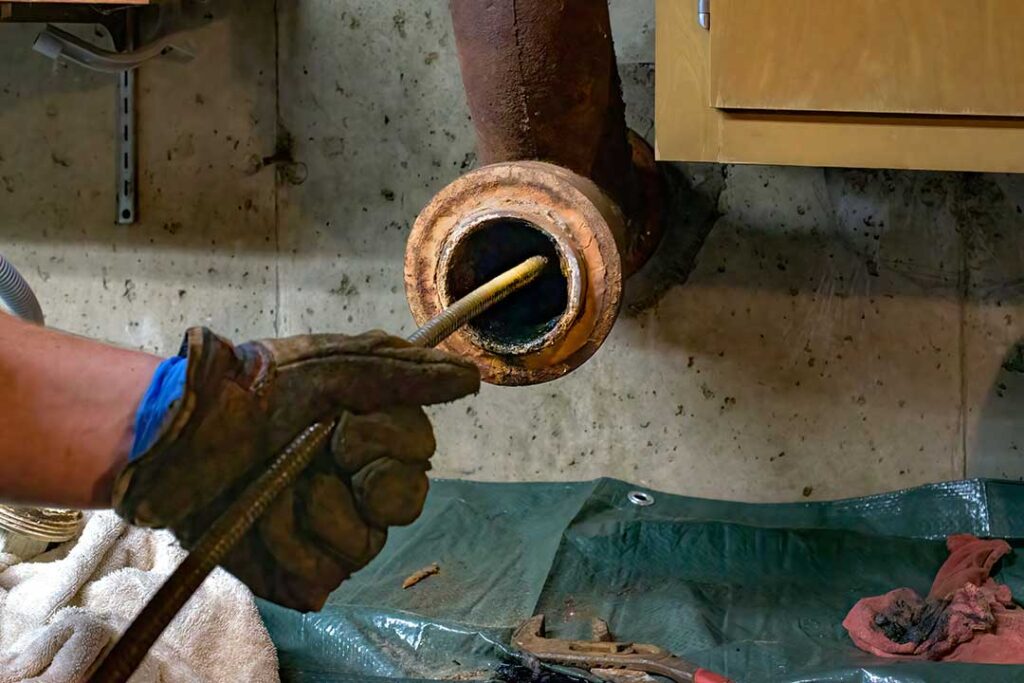
Plumbing systems often last for decades when they receive basic care, operate under reasonable conditions, and are protected from preventable damage. In Warrenton, MO, seasonal temperature changes, older housing, hard-water deposits, and long periods of indoor heating can all affect pipes, fixtures, drains, and water-using appliances.
A practical maintenance routine does not require advanced plumbing knowledge. It mainly involves noticing changes early, reducing unnecessary stress on the system, and knowing which problems should not be ignored.
What routine habits help plumbing last longer?
Simple daily habits can reduce clogs, leaks, corrosion, and fixture wear. Avoid treating drains as disposal points, limit strain on faucets and toilets, and pay attention to changes in water pressure or drainage speed.
Useful habits include:
- Keep grease, cooking oil, coffee grounds, wipes, paper towels, and hygiene products out of drains and toilets.
- Use drain strainers in kitchen and bathroom sinks.
- Do not hang heavy items from exposed supply lines or faucet handles.
- Avoid forcing faucet handles, shutoff valves, or toilet levers.
- Run water briefly through infrequently used fixtures to keep drain traps filled.
- Wipe away standing water around fixtures, cabinets, and appliance connections.
- Keep access to the main water shutoff valve clear.
Many plumbing problems begin with small stresses repeated over time. A sink that drains slightly slower, a toilet that refills periodically, or a faucet that drips only at night may signal a developing issue rather than harmless inconvenience.
How can leaks be found before they cause damage?
Regular visual checks are among the most effective ways to extend plumbing life. Look beneath sinks, around toilets, behind washing machines, near water heaters, and around exposed basement or utility-room piping.
Warning signs include:
- Damp cabinet floors or swollen wood
- Water stains on ceilings or walls
- Peeling paint or bubbling drywall
- Musty odors near plumbing fixtures
- Mold-like growth in consistently damp areas
- Rust-colored marks around pipe connections
- Unexplained increases in water use
- A water meter that continues registering flow when every fixture is off
Toilet leaks deserve special attention because they can waste water quietly. A toilet that occasionally runs, makes a brief refill sound without being used, or requires repeated handle movement may have a worn flapper, fill valve, or flush mechanism.
Do not place hands near exposed electrical components or wet areas where wiring may be present. If a leak is active, shut off the nearest fixture valve or the home’s main water supply when practical, then address the cause promptly.
Does hard water shorten the life of plumbing?
Hard water can contribute to mineral buildup inside fixtures, valves, showerheads, and water-using appliances. Warrenton-area households may notice white or chalky deposits around faucets, in shower openings, or inside toilet tanks.
Mineral deposits can restrict flow and cause moving parts to stick. They can also reduce the efficiency of water heaters by forming sediment on heating surfaces. The effect varies by water source, plumbing materials, and household water use.
Helpful maintenance includes:
- Clean faucet aerators and showerhead openings periodically.
- Inspect toilet tank components for mineral buildup.
- Follow the cleaning instructions for water heaters and appliances.
- Avoid scraping deposits aggressively with metal tools that may damage finishes.
- Investigate recurring scale instead of repeatedly replacing affected fixtures.
A water softener or treatment device is not automatically necessary for every home. Water quality decisions should be based on actual testing and the needs of the household rather than assumptions about mineral content.
How should a water heater be maintained?
A water heater can last longer when sediment, excessive pressure, and corrosion are controlled. Maintenance needs depend on the unit’s age, fuel type, design, and manufacturer instructions.
For any water heater, check periodically for:
- Leaks around the tank or connections
- Rust-colored water
- Popping, rumbling, or crackling sounds
- Water that is not consistently hot
- Moisture near the pressure-relief discharge pipe
- Signs of corrosion at the bottom of the tank
Sediment can collect at the bottom of a tank-style heater and reduce heating efficiency. Flushing may help in some systems, but it should be performed only when the equipment and drain arrangement are suitable. Older valves, corroded connections, or improperly routed discharge piping can make this task hazardous.
Water temperature also matters. Excessively hot water increases scald risk and places unnecessary stress on fixtures and appliances. A moderate setting is generally safer for households, especially where young children or older adults live.
How can pipes be protected during cold weather?
Freezing temperatures can split pipes and damage fittings, even when cold weather lasts only a short time. Exposed piping in garages, crawl spaces, unfinished areas, and exterior walls deserves extra attention during winter weather.
Before a hard freeze:
- Disconnect and drain outdoor hoses.
- Close interior shutoff valves serving exterior hose connections when available.
- Insulate exposed water lines in unheated areas.
- Keep cabinet doors open beneath sinks along cold exterior walls.
- Maintain heat in the home during travel or extended absences.
- Know where the main water shutoff is located.
If a faucet produces only a weak stream during freezing weather, a pipe may be partially frozen. Turn off the water supply if a burst is suspected. Never use an open flame to thaw plumbing. Safe, gradual warming is preferable, but damaged lines may require immediate attention because water can begin flowing as soon as the ice melts.
What should homeowners know about drains and sewer lines?
Chemical drain cleaners may provide temporary relief, but repeated use can damage some plumbing materials, weaken seals, and create a dangerous mixture if different products are combined. Mechanical methods, such as a plunger or appropriately sized hand auger, are often less destructive for minor blockages.
Recurring clogs can indicate a deeper issue. A drain that repeatedly backs up after cleaning may have a damaged pipe, heavy buildup, poor slope, or an obstruction farther along the line. Multiple slow drains at the same time may point to a main drain problem rather than separate fixture clogs.
Trees, shifting soil, age, and previous repairs can affect buried sewer piping. Warning signs include sewage odors, gurgling drains, wet spots in the yard, repeated backups, or toilets that bubble when other fixtures are used.
When does a plumbing problem require prompt attention?
Some issues are suitable for routine maintenance, while others involve safety, structural damage, or sanitation concerns. Prompt help is warranted for:
- A burst pipe or rapidly spreading leak
- Sewage backup or wastewater exposure
- No water throughout the home
- Persistent loss of water pressure
- Gas odors near fuel-burning water-heating equipment
- Water near electrical panels or outlets
- A water heater that is leaking heavily or overheating
- Frozen pipes suspected of splitting
Plumbing components connected to gas, electrical systems, public water service, or wastewater treatment may require specific safety procedures and compliance with applicable requirements. Avoid improvising repairs when the hazard is unclear.
How does a maintenance record help?
A simple record can reveal patterns and help plan repairs before a failure becomes disruptive. Note the installation dates of water heaters, sump pumps, major appliances, and replaced valves. Record recurring leaks, pressure changes, drain backups, and water-quality concerns.
For homes with older plumbing, it is also useful to photograph accessible piping and shutoff locations. This creates a reference for identifying changes over time and helps household members respond faster during an emergency.
Consistent observation, careful use, seasonal protection, and timely attention to small problems can preserve plumbing performance for many years while reducing avoidable water damage and emergency repairs.