

 See My Latest Article on HelloNation
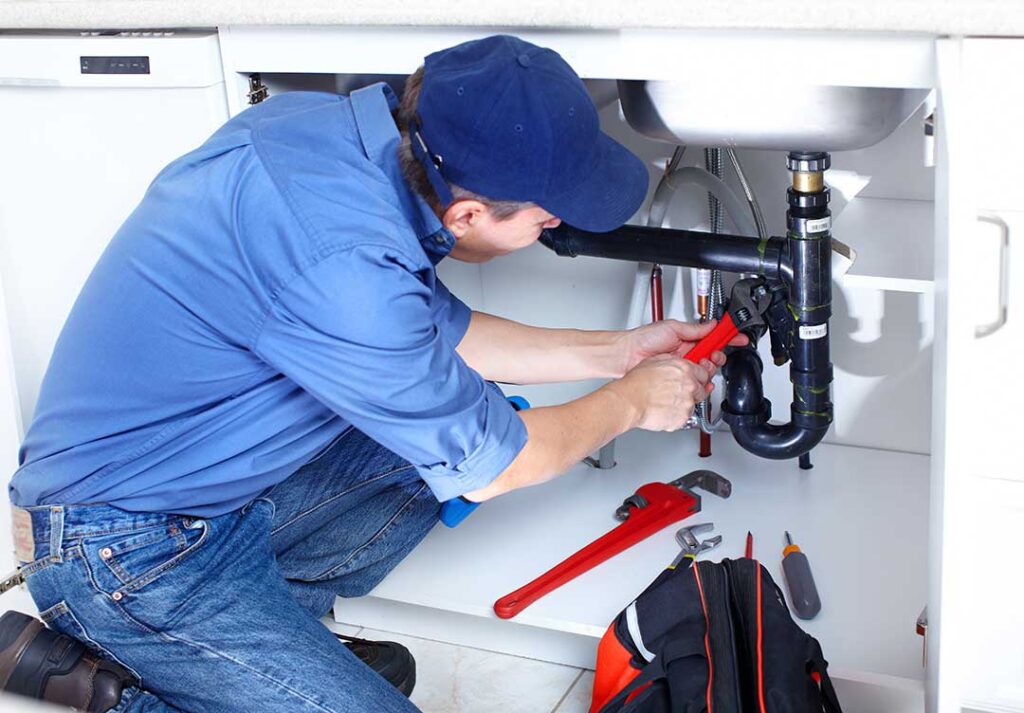
How Can You Tell If There’s a Hidden Leak?
A hidden leak is any leak that occurs out of sight, often inside walls, under floors, or underground. The most visible clues are subtle and may take time to recognize. In Warrenton, MO homes, where many structures combine older plumbing with newer additions, these leaks often reveal themselves as:
- Unexpectedly high water bills, even without extra usage
- Damp, musty odors that do not go away after cleaning
- Mold or mildew growth on walls, ceilings, or floors
- Soft, warped, or discolored spots on drywall or flooring
- Persistent sounds of running or dripping water when fixtures are off
- Unexplained warm spots on floors (a possible sign of a hot water line leak)
These signs are not always dramatic. Local residents often overlook slow leaks, especially during wet seasons when humidity is already high. Regularly comparing your water meter readings can help catch issues early.
Why Do Hidden Leaks Occur Frequently in Local Homes?
Hidden leaks tend to develop where water pipes run through inaccessible areas or underground. In housing common to Warrenton, older galvanized or copper pipes may corrode, while newer PEX or PVC pipes can sometimes shift or become damaged by settling soil or accidental drilling. Seasonal temperature swings, from humid summers to below-freezing winters, put extra stress on pipe joints and can widen small cracks into bigger leaks over time.
Basements are common in the area, and their below-ground location is a prime zone for hidden plumbing issues—particularly after heavy rainfall or when groundwater is high. Slab foundations, found in some newer developments, hide leaks entirely beneath the floor.
What Are the First Steps for Finding a Hidden Leak?
To pinpoint a hidden leak, start with a basic test involving your water meter. Here’s how local residents can check for unseen water loss:
1. Turn off all water-using appliances and fixtures in the home.
2. Locate your water meter, typically found in the basement, crawl space, or an outdoor pit near the street.
3. Record the meter reading.
4. Wait for one to two hours without using any water.
5. Check the meter again. If the reading has changed, water is moving through the system unnoticed—strong evidence of a hidden leak.
Focus next on narrowing down the location based on visible symptoms. Damp areas, bubbling paint, and discolored ceilings or floors give strong location hints. An infrared thermometer can sometimes help find warm spots from a leaking hot water line.
Are There Areas in Homes That Are More Prone to Leaks?
Certain locations see more hidden leaks than others, particularly in the types of homes common in the community:
- Under sinks and behind cabinetry, especially in kitchens and bathrooms
- Inside walls backing showers or tubs
- Basements and crawl spaces, along the path of the main water line or branch lines
- Concrete slab floors, where pipes are embedded out of sight
- Outdoor irrigation, where pipes may run underground to spigots or garden beds
Leaks may be less obvious in insulated exterior walls or where pipes run beneath large appliances.
What Should You Do If You Find a Likely Hidden Leak?
Upon finding signs of a leak, shut off the main water supply to prevent further damage. In most cases, it is safe to investigate minor issues (such as a small damp spot) but avoid breaking into walls or removing flooring unless you are confident about the source.
Simple tools, such as a moisture meter, can help check how far dampness has spread. Use a flashlight to look for water staining behind cabinet kickboards or on basement ceiling joists. Unplug electrical appliances near wet areas as a precaution.
Do-it-yourself repairs are possible and reasonable for accessible leaks at shut-off valves, loose faucet connections, or beneath sinks. However, for leaks hidden inside walls, under slabs, or where water is near electrical wiring, turn water off and consult a qualified expert to prevent safety hazards or structural damage.
How Can Leaks Be Repaired—and When Is It Too Much for DIY?
Many minor leaks, such as those on exposed pipe joints, can be fixed with:
- Tightening connections or replacing worn washers
- Applying plumber’s tape to threaded fittings
- Swapping out a leaking section of visible pipe

For leaks inside walls or under floors, the repair usually involves:
- Removing drywall or flooring to pinpoint the exact spot
- Cutting out the damaged section of pipe
- Installing a new section or coupling
- Restoring the wall, floor, or ceiling finish afterward
Complex situations, such as active leaks beneath a concrete slab or in areas with electrical lines and mold growth, should be left to professionals. Attempting repair in these circumstances poses risks to personal safety and may worsen water damage. If in doubt, prioritize making the area safe—shutting off water, electricity, and ventilating damp rooms.
What Preventative Steps Can Area Households Take?
While not every leak can be prevented, Warrenton residents can minimize risk by:
- Monitoring monthly water bills for sudden changes
- Ensuring caulking and grout in bathrooms is intact to keep water away from wall cavities
- Insulating pipes, especially in unheated areas, ahead of winter
- Draining and disconnecting outdoor hoses before the first frost
- Regularly checking under sinks, behind appliances, and in basements for signs of moisture
Many local homes benefit from installing simple water shut-off alarms or devices that detect leaks and temporarily cut off supply. These are especially useful in second homes or when residents travel, helping avoid long-term water damage.
What Are Common Misconceptions About Hidden Leaks?
A widespread myth is that you will always hear or see a hidden leak. In fact, many occur silently or behind finished surfaces. Smells and discoloration often precede any dripping sound. Also, small leaks can cause significant structural damage and mold even if the monthly water bill only rises by a few dollars.
Another misunderstanding is believing leaks only happen in older homes with metal pipes. Modern piping can also fail at joints or be punctured by landscaping, pests, or shifting soils—issues that can arise in both older and newer neighborhoods.
Residents sometimes wait until large stains or pooling occurs. Early action—even on vague signs—can prevent bigger problems and significant repair costs.