
 See My Latest Article on HelloNation
What Toilet Problems Can You Safely Tackle at Home?
Many minor toilet troubles in Warrenton, MO homes can be managed without expert assistance. Homeowners often clear basic clogs, adjust floats, or fix a running tank with basic tools. For example:
- Plungers can usually clear soft blockages in the bowl.
- Adjusting the float or chain in the tank often stops a toilet from running.
- Simple leaks at the base may respond to tightening flange bolts, if the wax ring is intact.
Residents with older or well-loved homes should also check for worn flappers or mineral buildup—these small parts may be replaced with minimal plumbing skill. Replacing a handle, seat, or installing a fresh wax ring are also typically safe projects.
When Does a Clogged Toilet Go Beyond DIY?
If a clog doesn’t respond to a plunger after several careful tries, or water starts rising dangerously, it could signal a more significant blockage or even issues further down the drain line. Here’s when you shouldn’t keep plunging:
- Water backs up into the bathtub, shower, or nearby drains.
- The toilet overflows onto the floor, especially with sewage present.
- Recurring clogs return despite careful clearing efforts.
Older homes in Warrenton sometimes have dense tree roots or shifting soil that affect main drain lines, especially after rain or in early spring when moisture seeps into ground cracks. Multiple slow drains across the house typically indicate a deeper problem best left to professionals. Trying to force a plunger or chemical drain cleaner can damage pipes, fixtures, or even make an overflow worse in these cases.
What Sounds or Leaks Mean a Bigger Concern?
Toilets that gurgle, make loud sucking sounds after flushing, or emit foul smells need caution. Such symptoms may point to partial blockages, venting issues, or deteriorating seals under the house. If water pools around the base persistently, and tightening bolts doesn’t fix it, this could mean:
- A failed wax ring allowing water and gases to escape into the floor structure.
- Cracks in the porcelain base, which can worsen with each flush.
- Hidden leaks that soften flooring or stain ceilings below.
Warrenton’s humidity and freeze-thaw cycles sometimes swell wooden subfloors, making a small leak more urgent. Addressing these issues early prevents mold, structural damage, or costly water damage that insurance may not fully cover.
Should You Worry About a Toilet That Won’t Stop Running?
A constantly running tank can waste hundreds of gallons weekly if ignored. Sometimes, this is caused by a misaligned flapper or float—a fast fix. But persistent running, even after a careful tank check, might signal:
- A cracked overflow tube or stuck fill valve.
- Internal parts in the tank that are corroded or cracked.
- Water endlessly seeping from tank to bowl due to invisible cracks.
In the city, high water bills from an unnoticed running toilet are a common surprise, especially for area households on a budget. If simple adjustments do not solve the issue, or you notice water discoloration, noises, or tank sweating in warm weather, do not delay further inspection.
What If You Notice Sewage Smells or Odd Noises?
Strong smells from the toilet—even if the bowl and tank seem clean—should never be ignored. This sometimes points to vent pipe blockages, dried-out wax rings, or even broken drain pipes under older floors. These issues can let sewer gases seep inside, causing health risks.
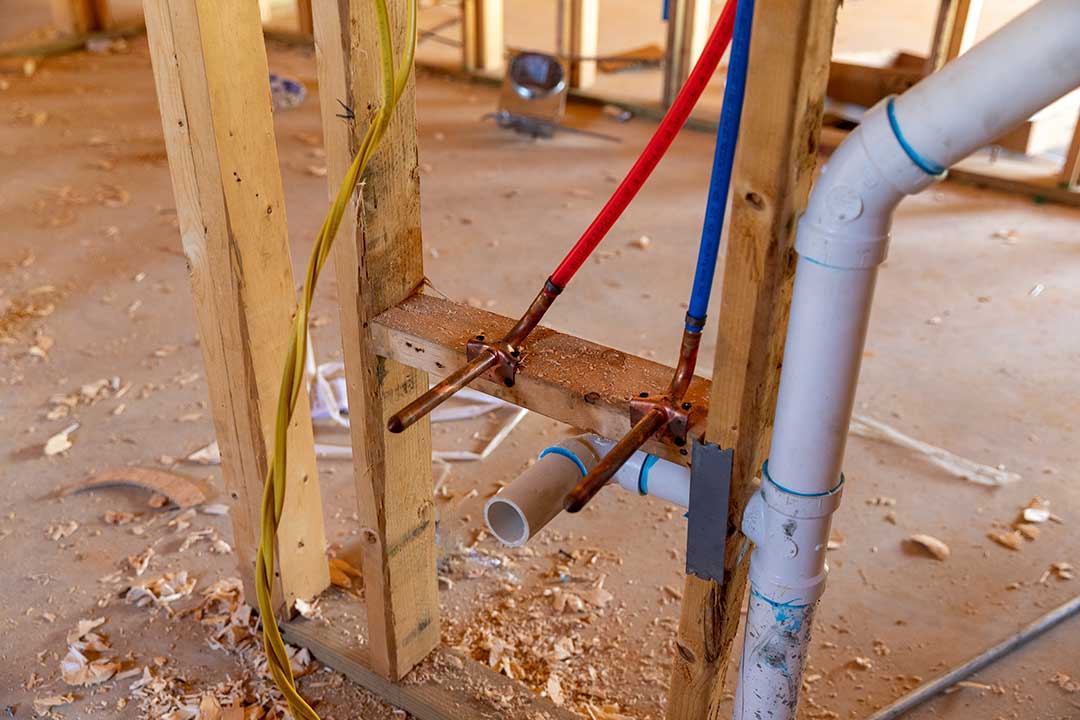
Gurgling sounds after flushing or from nearby drains often mean the plumbing system is not venting correctly. Clogs in vent stacks are common after storms or high winds. Attempting to clear vent pipes on a slippery roof or handle hidden drain cracks carries real safety risks.
Is a Slow Flush or Weak Refill a Sign of Trouble?
Toilets that flush slowly or incompletely, or take a long time to refill, may be suffering from:
- Partial obstructions in the trap or drain line, building up over time.
- Sediment, hard water scale, or rust restricting water flow inside the tank.
- Failing fill valves, common in homes with high mineral content in the water supply.
Residents here often notice slower flushes in homes with older galvanized plumbing or after events that disrupt city water lines. If simple cleaning or flushing inside the tank doesn’t restore normal operation, the problem could be developing deeper within your plumbing.
Are Toilet Issues Ever a Safety Emergency?
Toilet troubles rarely become immediate safety emergencies, but there are clear exceptions. Call in an expert without delay if you observe:
- Sewage backing up or flooding living areas.
- Water damaging electrical outlets or fixtures within a bathroom.
- Large cracks in the toilet tank or base that threaten to spill water onto the floor rapidly.
- Persistent wet flooring near the toilet in a household with children, pets, or vulnerable adults, to avoid slips and health hazards.
In freezing winters, a toilet refusing to refill or leaks from hidden pipes could mean freezing or burst lines, which require prompt assessment to avoid severe damage.
How Do Local Factors Affect Toilet Troubles?
Warrenton homes span a range of ages and building standards. Older homes may have cast iron or clay drain lines more prone to slow clogs and roots; newer constructions sometimes see installation errors or low-flow fixtures that need fine-tuning. Seasonal flooding, heavy rains, and nearby construction can all disrupt sewer lines and create sudden plumbing concerns.
Climate, water quality, and soil conditions in the area mean occasional toilet mysteries are almost unavoidable. Watching for subtle changes and knowing when an issue is beyond routine repair helps community members protect their homes, health, and budgets.