

 See My Latest Article on HelloNation
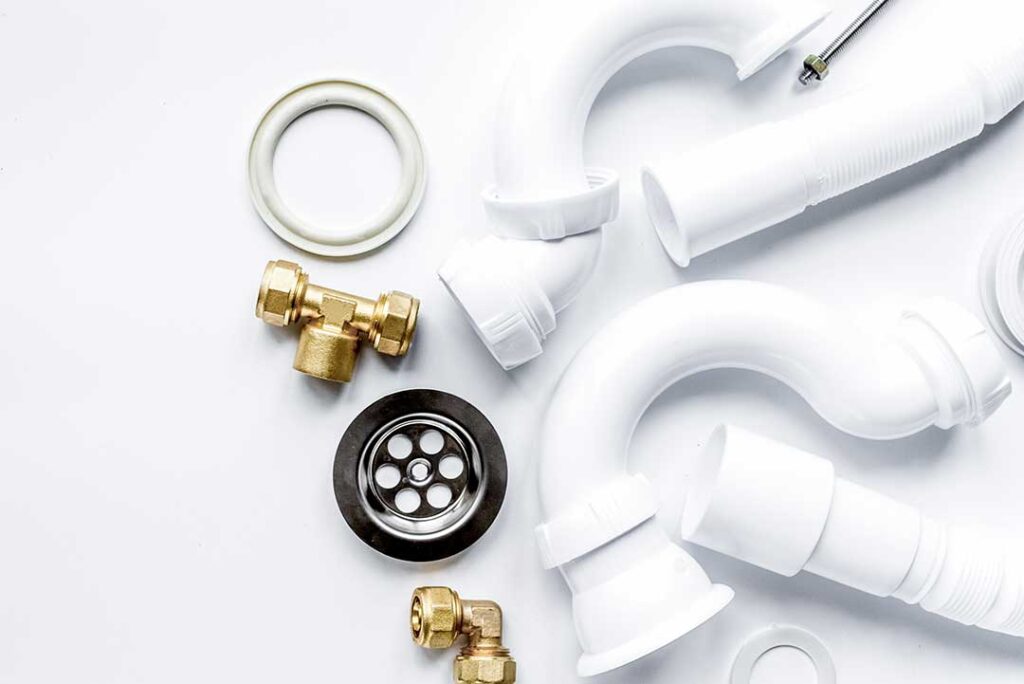
Why Do Some Homes in Warrenton, MO Experience Low Water Pressure?
Low water pressure often surprises area homeowners. This is commonly noticed while showering, washing dishes, or watering the garden. In most cases, the underlying reason can be pinpointed with a bit of investigation. Warrenton’s mix of older and newer homes, seasonal temperature changes, and community infrastructure all influence what might affect water flow in individual residences.
What Causes Sudden Drops in Water Pressure?
A sudden and noticeable dip in water pressure often means something significant changed in your plumbing system. Immediate causes include:
- A main water shut-off valve not fully open after utility work or home repairs
- An undetected leak in home pipes or the main water service line from the street
- Water main breaks or repair work by the city, sometimes communicated through local advisories
- Burst pipes, especially during a winter freeze-thaw cycle typical in the area
Leaks and burst pipes not only lower pressure but can result in property damage. If pressure drops rapidly and is accompanied by damp spots or pooling water, prompt action is warranted to protect the home.
Can Everyday Fixtures Lower Water Pressure?
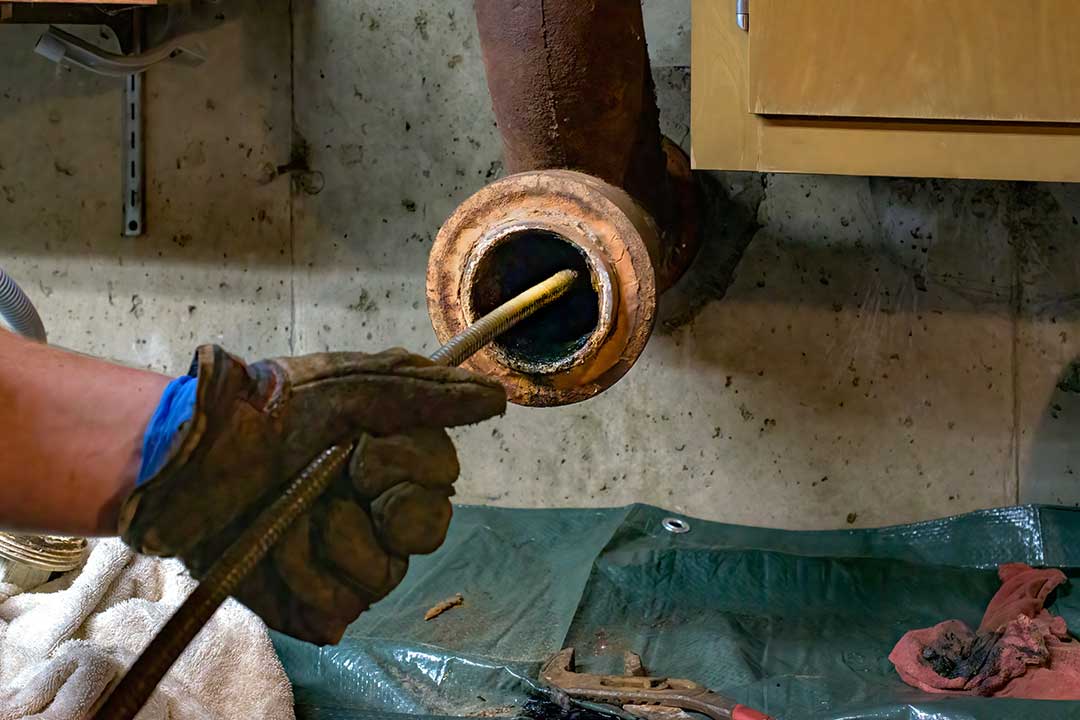
Yes. Mineral buildup and aging plumbing fixtures can gradually reduce flow. Many homes in the city—especially ones built several decades ago—have older galvanized steel piping. Over years, these pipes accumulate rust and mineral scale inside, narrowing the pathway for water. Fixtures themselves, like showerheads or faucet aerators, also clog over time from hard water.
Simple troubleshooting steps include:
- Removing and cleaning aerators and showerheads
- Checking for debris or buildup at fixture connections
- Comparing pressure at different taps to spot isolated vs. widespread issues
If cleaning the fixture improves flow at one location but not others, broader pipe issues may be the likely source.
How Does Seasonal Change Affect Water Pressure in Warrenton?
Midwest winters can lead to pressure problems not just from freezing and thawing, but also increased demand as households prepare for cold snaps. Likewise, dry spells in summer or periods of heavy lawn watering can strain neighborhood water supplies. Area households using lawn irrigation systems may also see pressure differences when these are in operation.
If pressure seems normal in cooler months but drops in summer, check:
- If pressure improves at night or early morning (suggesting peak demand is the issue)
- Whether water flow is lower only when sprinklers or multiple appliances run simultaneously
Pressure drops linked to outdoor watering or peak hours often relate to the capacity of the local supply or the home’s internal plumbing design.
Are City Water Lines Part of the Problem?
Community infrastructure can play a role, especially if water mains are aged or undergoing work. In some neighborhoods on the edge of expansion, pressure can dip as additional homes connect to shared mains. Local authorities may issue notices if large repairs or upgrades might affect water flow.
Misconceptions sometimes arise that low pressure always means a household issue, when in reality, coordinated municipal repairs or construction may be the temporary cause.
What About Pressure Regulators and Valves?
Many homes—especially those constructed or remodeled in recent years—use a pressure-reducing valve (PRV) at the point where the main water line enters the structure. This valve keeps house plumbing safe from spikes coming from municipal lines but can fail or become clogged over time.
Common signs of pressure regulator trouble include:
- A sharp drop in water flow throughout the house
- Noticeable changes in pressure, sometimes fluctuating during use
- Hissing, vibrating, or ticking noises near the main water entrance
Adjusting or replacing a pressure regulator can restore normal flow if the rest of the plumbing system is in good condition.
Are There Overlooked or Hidden Causes?
A few less obvious issues can escape notice:
- Partially closed shutoff valves within the home—such as those near water heaters or at individual fixtures
- Concurrent use of water-heavy appliances (dishwashers, washing machines) drawing from undersized supply lines
- Older pressure tanks (for those with private wells) losing their ability to maintain steady pressure
Residents sometimes overlook how water softeners, filters, or auxiliary tanks, if blocked, will gradually reduce household flow. Checking these elements as part of routine maintenance can prevent unexpected issues.
What Steps Can Residents Take Before Seeking Professional Help?
Many low-pressure issues can be traced by doing a home walk-through:
- Check pressure at various faucets, inside and outside, to isolate the affected area
- Inspect visible pipes for leaks, mineral buildup, or corrosion
- Confirm that all visible valves tied to your water supply are fully open unless intentionally adjusted for repairs
- Remove and rinse off aerators or replace old, clogged fixtures
If a single fixture has low flow but others are normal, the problem is likely isolated. Widespread issues often indicate a main supply problem, a valve, or a larger section of pipe requiring attention.