

 See My Latest Article on HelloNation

What Causes Most Drain Clogs in Warrenton, MO Homes?
Clogs in household drains often build up slowly due to everyday use. In Warrenton, MO, local residents typically experience slow drainage or backups in kitchen sinks, bathroom sinks, bathtubs, and shower drains. Most clogs can be traced to a combination of soap scum, hair, grease, and food particles, all made worse by hard water deposits common in the area.
Seasonal leaf debris can also make its way into outdoor drains, especially during Missouri's fall months. Rural households or properties with older plumbing may see additional issues if tree roots or aging pipes cause obstructions.
Why Should You Avoid Chemical Drain Cleaners?
While it may be tempting to pour chemical cleaners down a clogged drain, these products often do more harm than good. They work by generating heat or using caustic substances to dissolve clogs, but this can soften or crack PVC pipes and corrode older metal plumbing. In Warrenton’s mix of older and newer homes, pipe materials vary, so chemical risks are unpredictable.
Chemical residue is also a concern for homes with septic systems, as it can disrupt the natural breakdown of waste. Overuse can result in surface burns, toxic fumes, and damage to fixtures—so mechanical and natural methods are safer for both people and pipes.
What Are Safe, Simple Tools for Clearing Drains?
The simplest unclogging tools are usually the safest:
- Plunger: A cup plunger creates suction to dislodge soft blockages. For sinks, run some water to cover the drain, seal the plunger over the opening, and pump firmly several times.
- Drain snake (hand auger): This flexible tool can reach and pull out hair or gunk further down the pipe. Feed it in carefully and rotate per instructions, being gentle to avoid scraping the pipe interior.
- Plastic zip tool: This inexpensive, barbed strip pulls hair and debris from shallow bathroom drains and is unlikely to harm plumbing.
In most cases, these gentle tools are effective for routine clogs without harming pipes.
Are Natural Drain Cleaning Mixes Effective?
Home remedies such as baking soda and vinegar can help with mild buildup, though they’re not a fix for deep or solid clogs. Pour about half a cup of baking soda into the drain, follow with a cup of vinegar, and plug the opening. The fizzy reaction can loosen soap or grime. Flush with hot (not boiling) water after 15 minutes.
This method is safe for most pipe types, but avoid boiling water for PVC pipes to prevent softening joints.
How Can You Prevent Unintended Pipe Damage?
Misusing tools or techniques can make a clog worse or damage plumbing. Key best practices include:
- Avoid forceful plunging, as excessive pressure may break seals, especially in older fixtures.
- Use only designated drain snakes; never substitute with wire hangers, which can gouge or puncture pipes.
- Don’t over-tighten mechanical augers, which can catch or twist inside bends.
- Never combine chemical and natural methods, as interactions can release hazardous gases.
- Avoid inserting objects other than approved cleaning tools.
Being gentle and methodical protects your plumbing while resolving the clog.
When Is It Necessary to Stop and Seek Professional Help?
Residents should not attempt to unclog drains if:
- Water is backing up from multiple fixtures, suggesting a main sewer or line issue.
- You smell sewage or notice bubbling in drains, as this may signal a blockage deeper than household pipes.
- There is visible water damage or leaks at pipe joints.
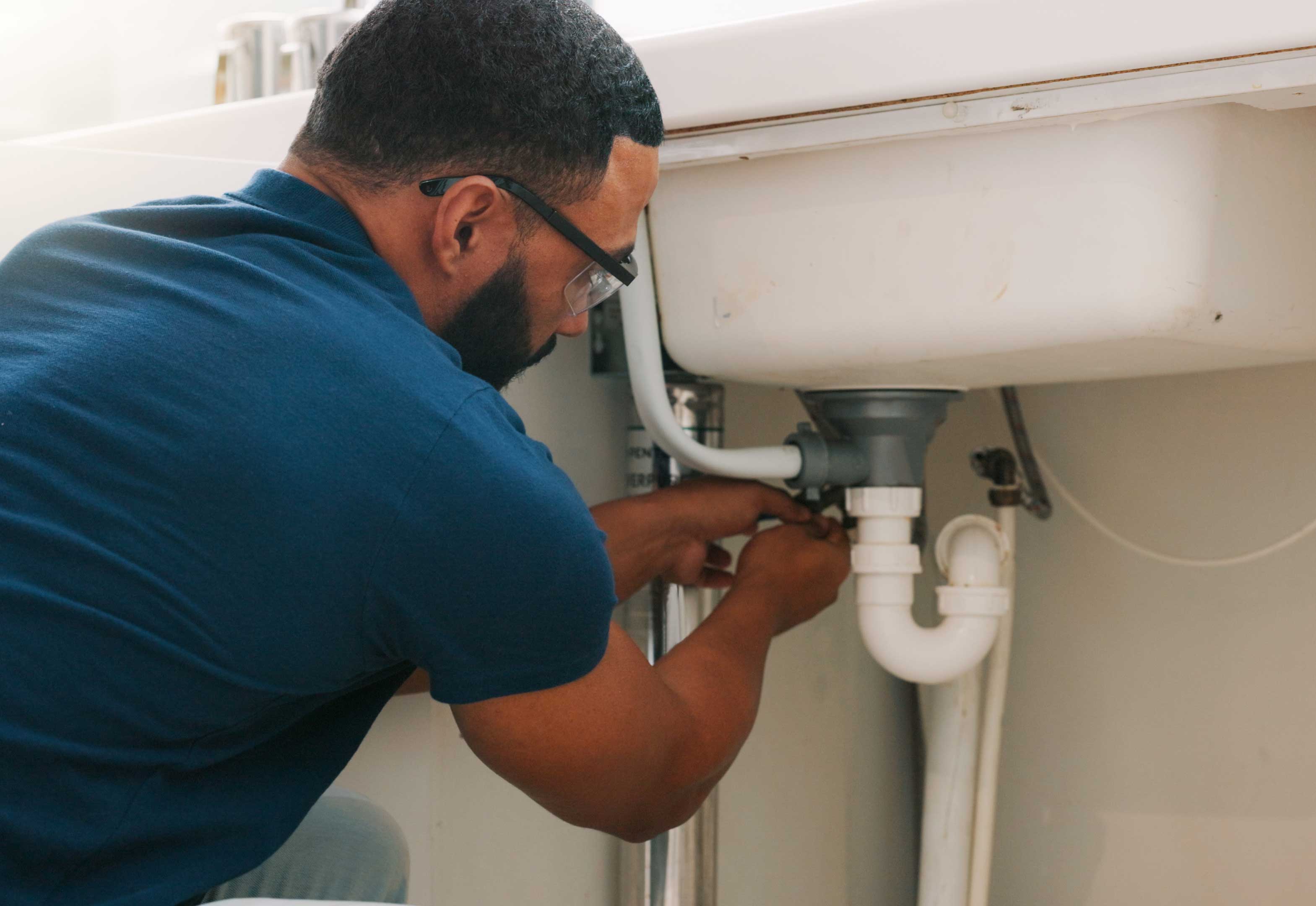
If DIY methods do not resolve the problem, trying more forceful tactics can worsen damage—at this point, professional assessment is safest to avoid costly repairs.
What Are Practical Tips for Preventing Future Clogs?
Simple changes in daily routines offer the best long-term results in keeping drains clear in Warrenton homes:
- Use drain screens to catch hair and food scraps.
- Avoid pouring grease, oil, or large food pieces down kitchen sinks.
- Rinse kitchen drains with hot water after washing dishes.
- Regularly flush drains with a small amount of baking soda and vinegar to help prevent buildup.
- Keep gutters and outdoor drain covers clear of debris, especially in fall.
These habits are especially helpful in communities with older pipe networks or high mineral content in local water.
Common Myths About Unclogging Drains
Some common advice can actually cause more trouble than it solves:
- Myth: "Hot water alone will clear any clog." While helpful for grease, it won’t budge hair or solid objects, and extremely hot water can loosen pipe joints.
- Myth: "Store-bought cleaners work every time." Their effect is usually temporary and can mask a more severe plumbing problem.
- Myth: "A drain snake can’t get stuck." Snakes are generally safe, but using too much force or the wrong type may get lodged and break off, complicating repairs.
Understanding these misconceptions helps area households maintain plumbing health more confidently.