

 See My Latest Article on HelloNation
Why Does My Sink Drain Smell Bad?
A foul odor coming from your sink drain can be unpleasant and concerning. In the Warrenton, MO area, local residents often experience this issue due to a combination of plumbing design, household habits, and seasonal factors such as humidity or temperature shifts.
Sink drain smells are typically the result of organic buildup, dry traps, plumbing issues, or even environmental causes specific to the region’s water and sewer infrastructure.
What Causes Sink Drain Odors in the Area?
Several factors can lead to smelly sink drains in local households. These include:
- Organic Matter Buildup: Food scraps, grease, and soap residue often accumulate inside kitchen drains. Over time, this material decomposes, producing sulfurous or rotting smells.
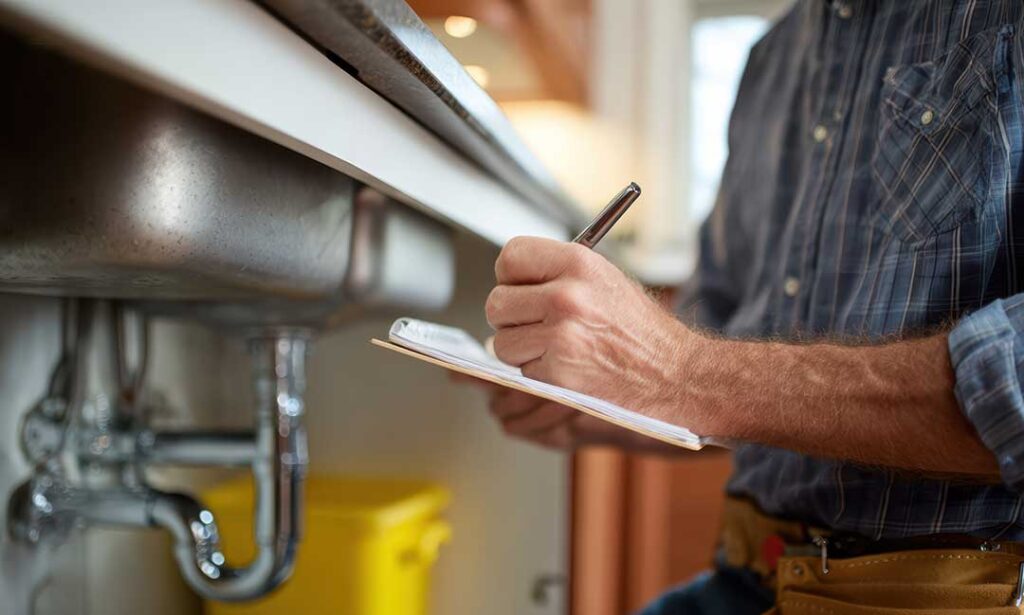
- Dry or Faulty P-Traps: The P-trap under the sink holds water to block sewer gases. If it dries out (often in seldom-used sinks), the gas escapes into the living space.
- Biofilm Buildup: Bathroom sinks are prone to a slimy layer of bacteria called biofilm, which thrives in the moist environment and causes musty or earthy odors.
- Clogged Vent Pipes: Plumbing vents help move sewer gases safely outside. A blocked or damaged vent can push odors back into the home.
- Sewer Line Backups or Leaks: In rare cases, a more serious problem like a partial sewer line blockage or a leak in the waste pipe can create persistent, foul smells.
How Does Local Climate Affect Smells from Sinks?
The city’s climate, with its humid summers and freezing winters, influences how often drain smells occur. High humidity can accelerate organic decay in drains, especially after local rainstorms when groundwater might seep into older sewer lines. During dry or cold spells, infrequently used sinks may have traps dry out more quickly, allowing sewer gas to escape.
Older homes in the community may also have dated plumbing set-ups or cast iron pipes, which corrode over time and retain organic residues that contribute to lingering odors.
Are Certain Sinks More Prone to Odor Problems?
Yes, kitchen sinks and unused bathroom sinks develop odors more frequently:
- Kitchen Sinks: Food particles, grease, and soap quickly build up inside kitchen drains. Households that use garbage disposals often notice an increase in smells if the disposal isn’t cleaned regularly.
- Bathroom Sinks: Shaving cream, toothpaste, and hair all contribute to buildup. Sinks that aren’t used for weeks—such as those in guest bathrooms—tend to have dry P-traps.
- Laundry Sinks: Wash water carrying lint, fabric softener, or detergent often leaves a film on the pipes, providing a breeding ground for bacteria.
What Are Common Misconceptions About Sink Drain Odors?
Many residents believe that cleaning with store-bought drain cleaners will permanently eliminate odors. Chemical drain cleaners may mask the smell briefly but don’t address underlying buildup or plumbing issues that allow gases to escape.
Another misconception is that only older homes experience drain odor problems. Even newer houses in Warrenton can be affected, especially if sinks are infrequently used or care isn’t taken to dispose of grease and food waste properly.
How Can Local Residents Troubleshoot the Problem?
Start by identifying the likely cause based on where and when the odor occurs:
- If smells are strongest after rain or only from one drain, check for vent or trap issues.
- If they persist despite cleaning, inspect for slow drainage, indicating buildup or possible clogs deeper in the pipe.
- For infrequently used sinks, try running water for one to two minutes weekly to keep the trap from drying out.
- Pouring a mixture of baking soda and vinegar down the drain, followed by hot water, can break down organic buildup. This solution is suitable for most households unless plumbing is very old or delicate.
Some homes in the city have private septic systems rather than being on the municipal sewer. If multiple drains smell or you notice slow drainage and gurgling sounds, these could be signs of a system issue that requires further investigation.
When Do Drain Odors Mean Bigger Problems?
A persistent rotten egg or sewage smell in multiple rooms or throughout the home could indicate a more significant issue, such as a failing sewer line, a cracked vent pipe, or a substantial blockage. Similarly, if you notice wetness, mold growth, or staining under your sink, it’s possible there’s a plumbing leak contributing to the odor.
Gurgling, slow drainage, or bubbling from neighboring drains when running water are also warning signs that shouldn’t be ignored, as these indicate potential blockages or venting issues in the main drain system.
What Preventive Steps Help Avoid Smelly Drains in the Community?
Area households can reduce the risk of unpleasant sink drain odors with a few routine habits:
- Run water through unused sinks every week to prevent dry traps.
- Avoid pouring fats, oils, or coffee grounds down the kitchen sink.
- Periodically flush drains with hot water to reduce buildup.
- Clean out debris from sink strainers regularly.
- Keep bathroom sinks clear of hair and product buildup by using a simple drain screen.
Staying attentive to household plumbing, especially during changes in temperature or following storms, helps area residents identify and resolve minor issues before they develop into expensive repairs.