

 See My Latest Article on HelloNation
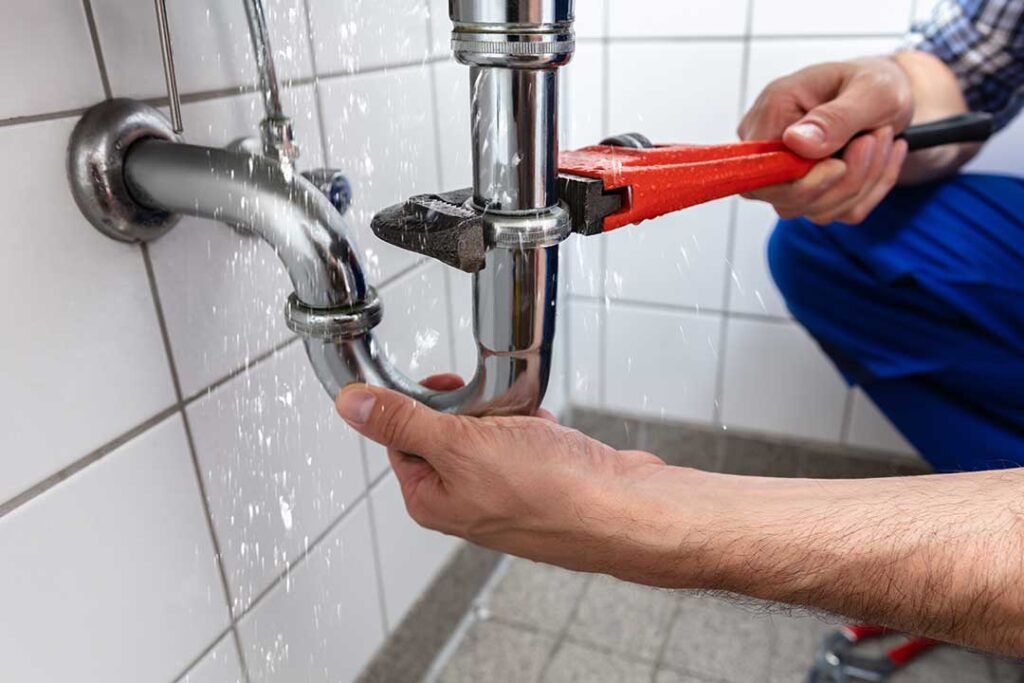
Can Grease Go Down Kitchen Drains?
No, pouring grease down the drain is not safe for any household plumbing, including in Warrenton, MO. Many residents may wonder about small amounts or using hot water, but all forms of cooking oils and grease—whether from bacon, hamburger meat, or frying—can create serious problems in home pipes and the wider municipal system.
What Happens to Grease Once It Enters the Drain?
Even if grease goes down as a liquid, it cools and solidifies inside pipes. In a typical Warrenton home, the plumbing size and configuration means any fat, oil, or grease can cling to pipe walls. Over time, these substances build up and can:
- Block water flow, causing slow drains or backups
- Trap food scraps, worsening clogs
- Lead to unpleasant kitchen odors
Beyond the house itself, these blockages can travel into the municipal sewer system. Community-wide, grease is a major cause of wastewater backups and treatment challenges in areas with both older and newer plumbing infrastructure.
Are “Safe” Grease Disposal Myths True?
Many people have heard that running hot water or using soap helps dissolve grease enough to avoid problems. In reality, while these steps may seem to help initially, once hot water cools and soap breaks down, the grease quickly resolidifies in pipes further down the line—often out of sight, where damage is harder to spot until a clog forms.
Another misconception is that a garbage disposal can safely handle small amounts of grease or oily residue. However, disposals simply grind up solids; they do not prevent fats and oils from coating pipes.
How Do Local Conditions Affect Drainage Problems?
In Warrenton, the mix of housing—from older homes with legacy cast iron pipes to newer builds with PVC—means that pipe clogs from grease are possible in any neighborhood. Many area homes also use private septic systems instead of city sewers, especially in outlying developments. Fats, oils, and grease cause even greater risk for septic system failure. Thick layers of grease can prevent proper wastewater flow to the drain field, leading to costly repairs or unhealthy overflows in yards.
Seasonal factors also matter: In colder months, grease solidifies faster in indoor and outdoor plumbing, making winter backups more common.
What Is the Best Way to Dispose of Grease?
Residents have safer alternatives for dealing with leftover cooking fats:
- Pour cooled grease into a can, jar, or other heat-safe container. Once full and solid, throw it out with regular household trash.
- Wipe greasy pans with a paper towel before washing. This reduces the amount of oil entering sink drains.
- For very small amounts of oil, allow to cool and soak up with napkins before discarding.
Avoid pouring grease on the ground or into the stormwater system, since both can cause environmental problems in local streams or rivers. Warrenton does not currently have a residential hazardous waste program for used cooking oil, so trash disposal is strongly recommended.
What Are the Signs a Drain Might Have a Grease Problem?
Households may notice early warning signs of an impending blockage caused by fat or oil buildup:
- Slow sink drainage despite no visible food in the pipes
- Bad odors that persist even after cleaning the sink and drain
- Gurgling or bubbling noises when water runs down
- Water backing up into the sink or dishwasher
If these symptoms appear and simple at-home cleaning with a plunger or hand auger does not resolve them, deeper pipe blockages may be present.
Are There Long-Term Consequences for the Community?
Blockages caused by grease are one of the most preventable sources of sewer problems in the city. On a neighborhood scale, clogs can cause wastewater overflows into basements, yards, or public spaces, impacting health and property. When the municipal sewer system backs up, the costs for emergency repairs and increased maintenance are often shared across the community through utility bills.
Awareness of how to responsibly handle household fats and oils helps keep the system working, protects private property, and reduces risk for neighbors throughout Warrenton.