

 See My Latest Article on HelloNation
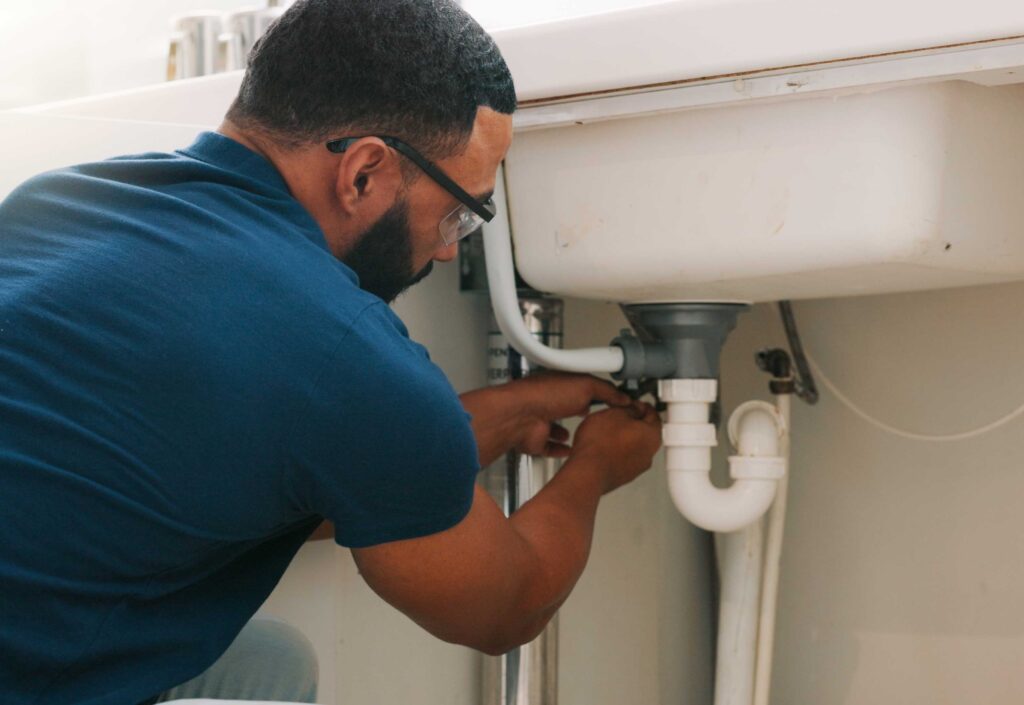
What Conditions Cause Pipes to Burst During Winter?
Pipes burst in cold weather when water inside them freezes, expands, and exerts pressure on the pipe walls. This pressure can cause pipes to split, especially if they are already weakened by age or corrosion. In Warrenton, MO, winter nights often drop well below freezing, and even short cold snaps can create risk for both newer and older homes. Areas most vulnerable are those with exposed plumbing, such as crawlspaces, unheated basements, garages, and exterior walls.
Which Pipes Are Most at Risk in This Area?
Pipes running through uninsulated or minimally heated spaces in local homes are the most susceptible to freezing. In Warrenton, common trouble spots include:
- Hose bibs (outdoor faucets)
- Supply lines under kitchen or bathroom cabinets, especially near exterior walls
- Pipes in attics, garages, and crawlspaces
Homes built before the 1980s, or those with unfinished basements or additions, often have less protective insulation around pipes. Even modern homes can have vulnerabilities if pipes were installed close to exterior walls without extra insulation.
How Can Residents Effectively Prevent Pipes From Bursting?
Keeping water in pipes from freezing is the most reliable way to prevent bursts. The following practices are widely recommended for area households:
- Insulate pipes in exposed or unheated areas using foam sleeves, fiberglass wrap, or specially designed pipe insulation.
- Seal gaps or cracks in walls near pipes with caulk or spray foam to block cold air.
- Open cabinet doors beneath sinks to allow warmer air to circulate around plumbing when very cold weather is forecast.
- During especially frigid nights, let a small trickle of cold water run from faucets connected to pipes most at risk. Movement reduces freezing potential.
- Disconnect garden hoses and drain outdoor faucets before freezing temperatures arrive.
In Warrenton, most freezing nights are driven by rapid temperature drops after sunset; taking preventive steps before dusk can make a significant difference.
Are Pipe Insulation Products Enough on Their Own?
Pipe insulation provides a valuable buffer against the cold, but it's not a complete solution. Insulation slows heat loss, giving pipes a better chance of staying above freezing, but it does not add heat. In the coldest stretches of winter, especially during extended power outages, additional precautions become important.
For pipes in especially cold or drafty spots, pairing insulation with heat tape (an electric cable that gently warms pipes) can add a layer of protection. However, heat tape must be installed and used according to all safety instructions and, if not already present, may require an appropriate nearby electrical outlet.
Is Letting Faucets Drip Really Useful?
Allowing a slow trickle of water through pipes during deep freezes helps reduce chances of freezing and bursting. This method works because moving water resists freezing more than standing water. In the context of Warrenton’s municipal water supply, letting a faucet on an exterior wall drip overnight during cold snaps can be a practical, low-cost backup when temperatures drop below 20°F.
A common misconception is that all faucets must be left running; in reality, select the faucet farthest from where water enters the home, or prominently exposed fixtures. The flow only needs to be a trickle, not a steady stream.
What Should Residents Do With Outdoor Faucets and Hoses?
Outdoor faucets and hoses are frequently overlooked until it’s too late. Before winter’s first freeze, unscrew and stow hoses indoors. An attached hose holds water in the spigot and connected supply pipe, increasing the risk of freezing damage. Many homes in the community have standard hose bibs that are not “frost-free.” Once the hose is removed, shut off the water supply to the outdoor faucet (if there’s an interior valve), and open the faucet to drain remaining water.
For higher protection, consider covering outdoor spigots with insulated faucet covers, available at most hardware stores.
Are There Winterization Practices Specific to Warrenton Home Types?
Older homes with crawlspaces or cellars and newer houses built on slabs face distinctive winterization challenges. Crawlspaces often allow cold air to circulate freely, putting exposed plumbing at risk. Closing foundation vents or using foam vent plugs in winter, along with insulating pipes in these areas, can help. Slab houses typically have water lines that run through unheated garage walls—here, adding insulation and keeping garages closed on cold nights protects this vulnerable plumbing.
For mobile homes or modular units, skirting and underbelly insulation are critical, as pipes often run beneath the structure and are highly exposed to outdoor temperatures.
Will Keeping the Thermostat Higher Prevent Problems?
Maintaining a consistent indoor temperature, even when away, reduces the chance of pipes freezing in walls or unheated interiors. Experts typically advise not setting home thermostats below 55°F during cold weather. In Warrenton, where brief but intense cold spells sometimes hit during the night or while homes are vacant, this is particularly relevant. Some residents, hoping to save on heating costs, lower thermostats drastically, but the risk of costly water damage from frozen pipes often outweighs the savings.
What Are Warning Signs That a Pipe May Be Frozen?
Spotting a potential freeze early can prevent a burst pipe from causing significant water damage. Some local warning signs include:
- Very low or no water flow from a faucet during cold weather
- Frost visible on exposed pipes
- Unusual clanking or hammering sounds after a cold spell
If a pipe is suspected frozen, it is safest to turn off the water main and carefully thaw pipes using gentle heat (such as a hair dryer), never an open flame. Residents should be extra cautious to avoid electrical hazards.
What Maintenance Can Reduce Burst Pipe Risks Year-Round?
Routine maintenance prevents small plumbing vulnerabilities from becoming big winter problems. Simple actions like inspecting visible pipes for signs of leaks or corrosion, maintaining heating systems, and checking for gaps in insulation pay off once temperatures drop. Each autumn, making winterization part of a regular home checklist is especially useful in areas with fluctuating winter weather like Warrenton.