

 See My Latest Article on HelloNation
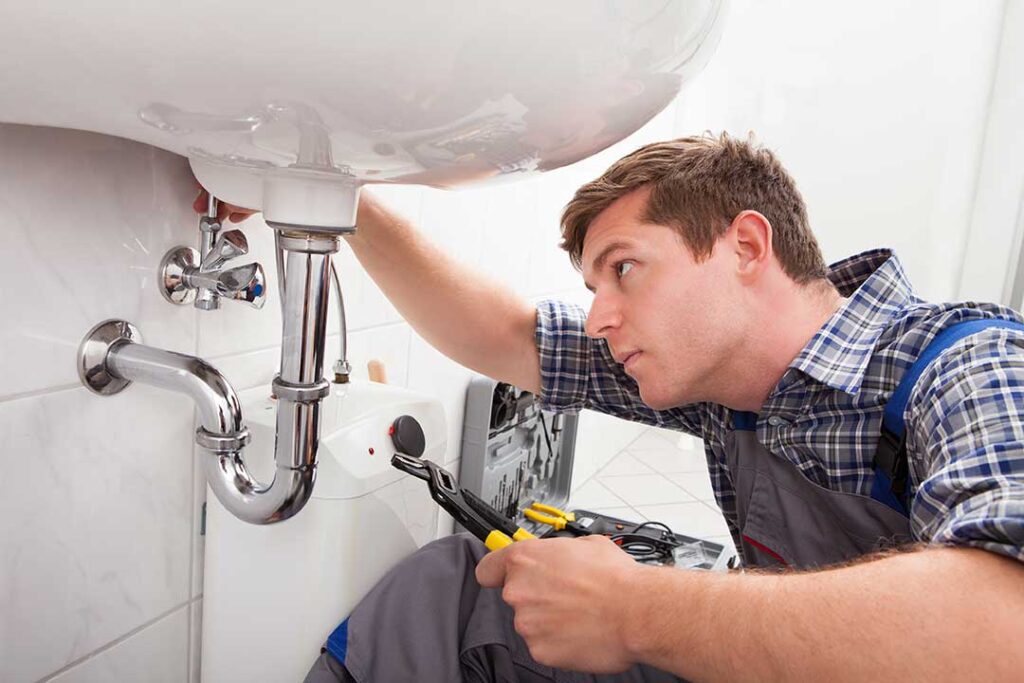
Why Might Water Bills Rise Unexpectedly?
A sharp rise in your water bill can be puzzling, but there are several typical explanations. For many households in Warrenton, a sudden spike often traces back to common household or system issues—sometimes simple, sometimes hidden.
Could a Leak Be the Culprit?
Leaks, even small ones, can quickly add up to hundreds or thousands of gallons of lost water. Checking for leaks is a prudent first step.
- Toilets: A running toilet is a frequent source of hidden water loss. Even minor leaks from a faulty flapper can waste over 200 gallons in a single day. Place a few drops of food coloring in the toilet tank; if color appears in the bowl after 15 minutes without flushing, there's likely a leak.
- Faucets and Fixtures: Dripping faucets might seem minor, but persistent drips multiply across weeks. Tightening connections or replacing worn washers can usually resolve this.
- Appliances: Leaks can also stem from water heaters, dishwashers, or washing machines. Check around appliance connections for water spots or dampness.
Outdoor leaks are also possible, especially if you have underground irrigation systems or older service lines running to your home. Changes in soil conditions from wet or freezing seasons in Warrenton can sometimes shift or crack pipes, causing underground leaks.
Are Seasonal Changes a Factor?
Shifts in season can affect water usage, especially in neighborhoods with sizable lawns or gardens.
During the spring and summer, many area households see bills rise with increased outdoor watering. Even modest changes in watering schedules, car washing, or filling a pool can have a major impact. Overwatering, unnoticed hose leaks, or misadjusted sprinkler settings are common causes.
In winter, frozen pipes might crack and develop leaks as temperatures warm up, sometimes remaining unnoticed if located in crawl spaces or basements. Additionally, pipe bursts that go undetected during low-use periods may reveal themselves on your next bill.
Did You Recently Add Water-Using Features or Guests?
Even temporary changes in household routines can cause water bills to spike.
- New appliances like washing machines or refrigerators with ice-makers
- Additional people living in the home or extended visits from guests
- Increased laundry, extra household cleaning, or frequent bathing
Sometimes, the difference is as simple as hosting holiday guests or children returning home for school breaks.
Could Meter or Billing Errors Be Involved?
Though uncommon, meter misreads or billing errors can occur. In the city, water meters are typically read electronically or manually once each billing cycle.
Look at the water usage chart or raw meter numbers on your bill. If there is a dramatic and unexplained spike compared to prior months, and you rule out leaks or increased usage, consider checking the meter reading yourself. Compare the current number on your water meter to what appears on your bill. If there's a mismatch or you believe the bill is inaccurate, area residents can contact the municipal utilities office for clarification.
How Can You Detect a Hidden Leak?
Beyond visible drips, some leaks are more concealed.
- Monitor your water meter: Take a reading, avoid water use for 1-2 hours, then check again. If the number has changed, you may have a leak.
- Look for wet spots: Damp areas on floors, walls, or ceilings may signal a plumbing issue.
- Inspect your yard: Particularly soggy patches or unexplained green areas could mean a buried pipe is leaking.
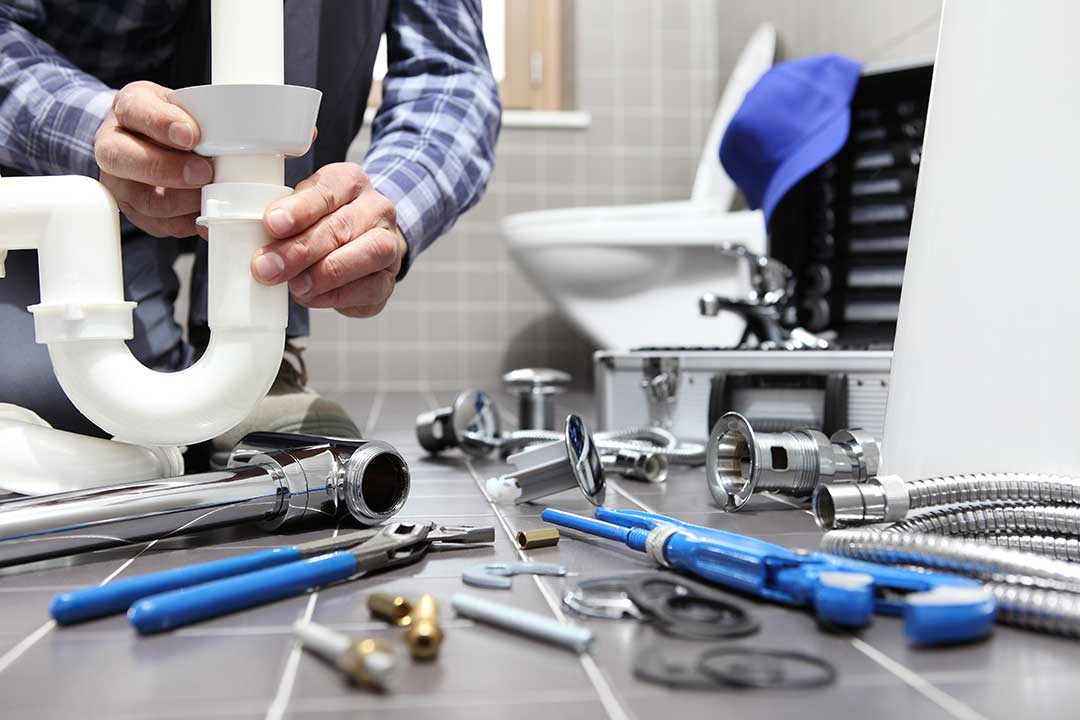
If you live in older homes common in Warrenton, aging pipes, foundation shifts, or past repairs can increase the risk of hidden leaks.
Are Utility Rates or Fees New or Different?
Periodically, changes in municipal water rates, service charges, or administrative fees can adjust your total bill. Most of these changes are publicly announced and relatively modest. Still, reviewing the detailed line items on your bill can help pinpoint whether higher charges stem from usage or administrative sources.
If you notice a service charge or unexplained fee, local authorities can explain new rate structures or temporary surcharges, which occasionally cover infrastructure improvements or seasonal demands.
What About Common Misconceptions?
Many assume only large leaks or obvious problems can spike a bill, but nearly invisible trickles and overlooked habits often play a bigger role.
- Running toilets are often silent and waste more water than leaky faucets.
- Outdoor leaks can continue unnoticed for months, especially with sporadic sprinkler use.
- Community events such as street hydrant flushing or construction rarely impact home water usage, but checking for unusual activity in your area can offer peace of mind.
What Should Residents Do Next?
Pinpointing the cause of unexpected water use is typically possible with a methodical approach. Starting with easy checks like toilets, faucets, appliances, and outdoor areas often uncovers the problem. If bills remain high after these basic inspections and ruling out billing errors, it may signal a more complex issue worth investigating further for household safety and conservation.