

 See My Latest Article on HelloNation
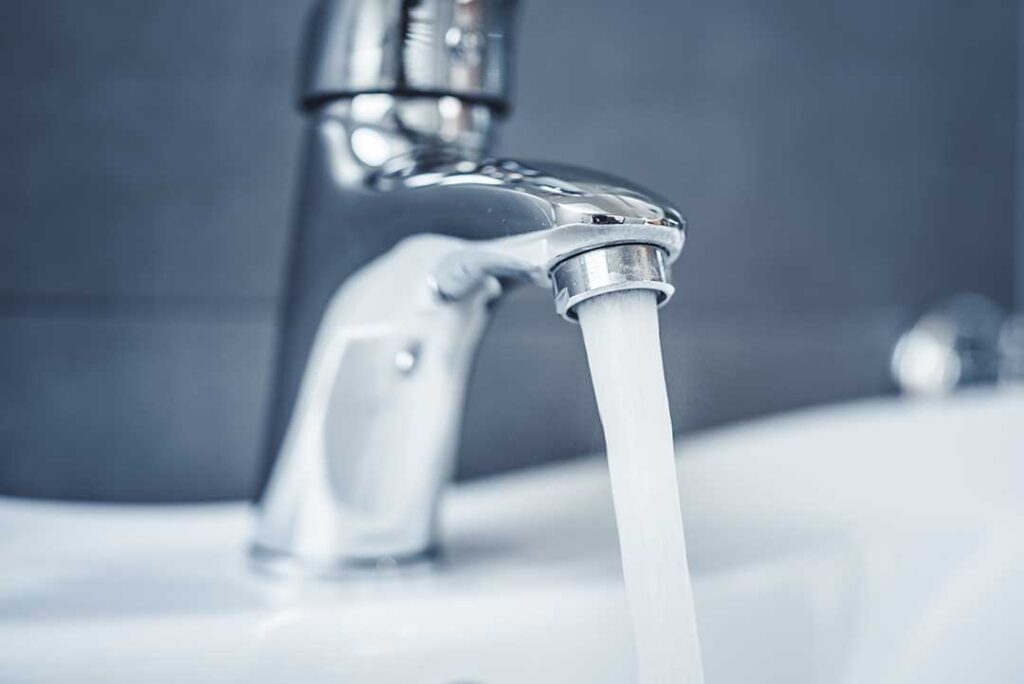
Bathroom fixtures in Warrenton, MO homes can usually be cleaned safely with mild soap, warm water, and the correct technique for the material. The main risks are using an abrasive tool, leaving cleaner on the surface too long, or combining chemicals that create dangerous fumes.
What should be done before cleaning bathroom fixtures?
Start by identifying the fixture’s surface and clearing away items that could be damaged by water or cleaning solution. Turn on the exhaust fan, open a window if practical, and wear gloves if the product label recommends them.
Use separate cloths for the toilet and other fixtures. A clean microfiber cloth works well for chrome, stainless steel, porcelain, and many coated surfaces because it lifts residue without creating deep scratches.
Before applying any cleaner:
- Read the product label.
- Check whether the product is safe for the surface.
- Test it on a small, hidden area.
- Never mix cleaners.
- Keep children and pets away from the area.
- Rinse surfaces when the label directs you to do so.
Cleaning and disinfecting are not always the same task. Soap or detergent removes dirt, body oils, and many germs. Disinfecting is intended for situations where reducing germs on a cleaned surface is necessary, such as after illness or contact with bodily fluids. Routine bathroom cleaning does not require disinfectant on every surface.
How should chrome and polished metal fixtures be cleaned?
Chrome faucets, shower trim, handles, and towel bars should be cleaned with diluted dish soap or a cleaner specifically labeled for chrome. Apply the solution to a soft cloth rather than spraying heavily around the fixture’s base.
Wipe gently, then rinse with clean water and dry completely. Drying is especially useful in bathrooms where repeated showers create condensation and water spots. A dry surface is less likely to develop mineral film around faucet openings and handles.
Avoid:
- Scouring powders
- Steel wool
- Rough scrub pads
- Undiluted vinegar left on the surface
- Strong acids or toilet-bowl cleaner
- Scraping with a razor
Acidic cleaners may help dissolve mineral deposits, but prolonged contact can damage plated finishes. If a faucet has white buildup, place a cloth dampened with a mild descaling solution over the deposit for a short period, then rinse thoroughly. Do not allow the solution to run into the faucet base, handles, or nearby stone countertop.
What is the safest way to clean porcelain sinks and toilets?
Glazed porcelain is durable, but it can still be scratched or dulled by abrasive products. For a sink, use warm water and a mild bathroom cleaner, wipe with a soft sponge, rinse, and dry.
For a toilet bowl, use a toilet cleaner labeled for that purpose. Apply it under the rim, allow the label’s recommended contact time, brush the bowl, and flush. Keep the product away from faucets, metal trim, stone floors, and other surfaces that may be damaged by acidic ingredients.
The outside of a toilet should be cleaned separately from the bowl. Wipe the handle, lid, seat hinges, tank, and base with a mild cleaner suitable for the material. Avoid soaking the hinges or allowing liquid to collect around the floor seal.
Do not use a pumice stone on a dry porcelain surface. It may remove stains, but it can also leave scratches if used incorrectly. If a fixture has persistent discoloration, determine whether the problem is mineral scale, rust, mold, or a damaged finish before choosing a stronger product.
How can acrylic, fiberglass, and plastic fixtures be protected?
Acrylic and fiberglass shower surrounds, tubs, shower pans, and plastic trim require nonabrasive cleaning. Use warm water, a mild liquid cleaner, and a soft cloth or sponge.
Rinse thoroughly after cleaning so residue does not form a dull film. Drying the walls and ledges after use can also reduce soap buildup and help the surface remain easier to clean.
Avoid abrasive powders, stiff brushes, melamine sponges, and rough scrub pads unless the manufacturer specifically permits them. These materials may create fine scratches that collect soap, dirt, and mildew over time.

Do not use boiling water on acrylic or plastic fixtures. Sudden heat can stress some materials, particularly if the surface is already cracked or weakened.
Can vinegar or baking soda be used on bathroom fixtures?
Vinegar can loosen some mineral deposits, but it is not safe for every bathroom material. It should not be used freely on natural stone, cement-based grout, some metal finishes, or surfaces with unknown coatings. Acid can etch stone and gradually damage certain finishes.
Baking soda is mildly abrasive. It may be acceptable for limited use on some porcelain surfaces, but it should not be scrubbed aggressively on acrylic, fiberglass, polished metal, or glossy coatings.
A simple soap-and-water cleaning method is often safer for routine maintenance. Stronger products should be selected based on the specific residue rather than used as a general-purpose solution.
How should natural stone countertops and tile be cleaned?
Marble, limestone, travertine, and other natural stones should be cleaned with a pH-neutral stone cleaner or mild soap solution. Vinegar, lemon juice, toilet-bowl cleaner, and other acidic products can etch the surface.
Wipe up toothpaste, hair products, and standing water instead of allowing them to dry in place. Use a soft cloth and avoid scrubbing with gritty powders. If the stone develops dull patches or rough areas, additional cleaning may not correct the problem because the finish may already be etched.
Grout requires its own care. A soft brush and mild cleaner are generally safer than chlorine bleach used repeatedly. Excessive bleach can discolor some grout and does not repair cracked or missing grout.
Is bleach necessary for routine bathroom cleaning?
Usually, no. Regular cleaning with soap or detergent is sufficient for removing ordinary bathroom dirt and residue. Disinfectant may be appropriate after illness, contamination, or on frequently touched surfaces when the product label supports that use.
If bleach is used, follow the label exactly, provide strong ventilation, and use the recommended protective equipment. Never mix bleach with ammonia, acids, vinegar, toilet-bowl cleaner, or any other household chemical. Toxic gases can form even when the products are used one after another on the same wet surface.
If strong fumes cause coughing, burning eyes, dizziness, chest tightness, or difficulty breathing, leave the room and get fresh air. Seek urgent medical help for serious or continuing symptoms.
How can mineral buildup and water spots be reduced?
Mineral film is easier to prevent than remove. After showers, use a squeegee or soft towel on glass, tile, and fixture surfaces. Wipe faucet bases and handles dry, where water commonly collects.
Do not block faucet aerators or showerhead openings with sharp objects. If flow becomes uneven, remove the aerator or showerhead only if it can be done without damaging the fitting, then soak removable parts according to the manufacturer’s instructions. Rinse all parts thoroughly before reinstalling them.
In area households, seasonal changes in indoor humidity can make bathrooms stay damp longer, especially when windows remain closed during colder weather. Running the exhaust fan during bathing and for several minutes afterward helps remove moisture. It also reduces the conditions that allow mildew to return quickly.
When should cleaning stop because there may be a plumbing problem?
Cleaning cannot correct a leaking valve, loose faucet connection, cracked fixture, failing seal, or persistent sewer odor. Stop scrubbing and investigate if water continues to appear after the fixture is dry, the cabinet below a sink feels damp, or staining returns from beneath a caulk line.
A toilet that rocks, a sink that drains unusually slowly, or a shower area with soft flooring may indicate a problem beyond surface maintenance. Chemical drain openers should not be poured into fixtures as a substitute for diagnosing a blockage, particularly when standing water or unknown chemicals are already present.
Safe cleaning protects the finish, the indoor air, and the plumbing connections around the fixture. Mild products, short contact times, thorough rinsing, and complete drying are usually enough for regular bathroom care.