

 See My Latest Article on HelloNation
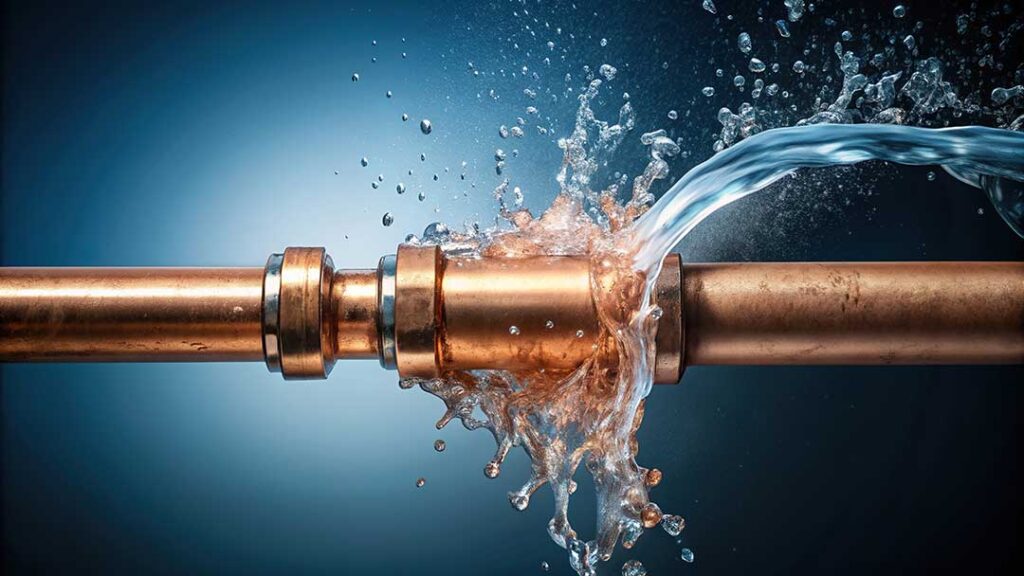
Why do small plumbing mistakes become expensive problems?
Many plumbing failures begin with a minor habit: ignoring a slow drain, using the wrong tool, or assuming a small leak will stop on its own. Water can damage flooring, cabinets, wall materials, insulation, and personal belongings long before the problem looks serious.
In Warrenton, MO, homes experience seasonal temperature changes that can place extra stress on exposed pipes, outdoor faucets, hose connections, and older plumbing materials. Basic maintenance and careful responses to warning signs can prevent many avoidable repairs.
Is a slow drain harmless?
A slow drain is usually an early warning, not a normal condition. It often means buildup is narrowing the pipe, and continued use may eventually produce a complete blockage or backup.
Common mistakes include:
- Repeatedly pouring chemical drain cleaner into the fixture
- Pushing food scraps, grease, or hair farther into the plumbing
- Ignoring gurgling sounds or standing water
- Assuming a plunger will solve every type of blockage
A plunger may clear a simple obstruction, but it will not correct a damaged pipe, a recurring blockage, or a problem farther down the drainage system. Chemical cleaners can also damage some plumbing materials and create a hazardous mixture if different products are combined.
Use a drain strainer where appropriate, remove visible debris by hand, and avoid sending grease, cooking oil, coffee grounds, wipes, and fibrous food scraps down the drain. If the same fixture repeatedly drains slowly after cleaning, the problem may be deeper than surface buildup.
What should never be flushed down a toilet?
A toilet is designed for human waste and toilet paper. Items labeled as flushable may still fail to break apart quickly enough for some household plumbing or municipal sewer systems.
Avoid flushing:
- Cleaning wipes and personal-care wipes
- Paper towels and tissues in large quantities
- Cotton swabs, dental floss, and feminine hygiene products
- Diapers, disposable gloves, and plastic materials
- Cat litter, grease, and household chemicals
A toilet that flushes slowly, bubbles, or rises unusually high may be showing signs of a partial blockage. Continuing to flush can turn a manageable obstruction into an overflow. Keep the shutoff valve accessible and know how to close it before an emergency occurs.
Why is using the wrong wrench or sealant a problem?
Excessive force can crack fittings, strip threads, or distort connection points. A fitting that seems loose may be designed to move slightly, or it may require a particular gasket rather than more tightening.
Plumbing connections also use different sealing methods. Threaded joints may require an appropriate thread sealant, while compression fittings and connections with rubber gaskets usually depend on the gasket and proper alignment. Adding tape or compound where it does not belong can cause leaks or make future disassembly difficult.
Avoid using makeshift tools on plastic fittings. Plastic components can fracture under pressure, especially if they have become brittle with age. A small leak at a connection should be dried, observed, and addressed carefully rather than repeatedly tightened without identifying the source.
Do homeowners overlook shutoff valves?
Yes. Many people discover the main water shutoff only after a pipe has burst. A few minutes of flowing water can cause substantial damage, especially on upper floors, near finished walls, or around electrical equipment.
Every household should know the location of:
- The main water shutoff
- Fixture shutoff valves beneath sinks
- The toilet shutoff valve
- The water heater supply valve
- Outdoor faucet shutoffs, if present
Valves that are rarely operated can become stiff. They should be checked carefully, without forcing them. If a valve will not turn or begins leaking around the stem, it may need attention before it is needed during an emergency.
What plumbing mistakes cause water damage during cold weather?
The most common cold-weather mistake is waiting until a freeze is already underway. Pipes in unheated areas, exterior walls, crawlspaces, garages, and poorly insulated utility spaces are more vulnerable when temperatures fall below freezing.
Helpful precautions include:
- Disconnecting garden hoses before freezing weather
- Closing and draining accessible outdoor faucet lines
- Protecting exposed pipes in unheated spaces
- Keeping cabinet doors open under sinks when severe cold affects an exterior wall
- Allowing a small amount of indoor water movement only when appropriate and safe
Never use an open flame to thaw a frozen pipe. A hair dryer or another controlled, nonflammable heat source may be safer for an accessible frozen section, but the water supply should be shut off if a pipe appears cracked or begins leaking as it thaws.
A burst pipe can release water rapidly once ice blockage melts, so knowing the main shutoff location matters as much as preventing the freeze.
Is pouring grease down the sink really harmful?
Yes. Grease may be liquid when poured, but it cools and sticks to the inside of pipes. Over time, it can combine with food particles and other residue to form a thick blockage.
This problem is especially common when grease is rinsed away with hot water. Hot water may move the grease farther down the line temporarily, but it does not make the material disappear. Let cooking grease cool, place it in a suitable container, and dispose of it with household waste according to local requirements.
The same caution applies to oils, shortening, sauces with heavy fat content, and greasy liquids from cooked meats.
What are common water-heater mistakes?
Water heaters are often ignored because they operate out of sight. Several habits can shorten equipment life or create safety concerns:
- Setting the temperature higher than household needs
- Storing combustible items too close to a fuel-burning unit
- Ignoring rusty water, unusual noises, or repeated leakage
- Closing or blocking required safety discharge areas
- Failing to notice water collecting near the tank
A temperature that is too high increases scald risk and wastes energy. Water that suddenly becomes discolored, unusually hot, or inconsistent may indicate a developing issue. Any water heater showing signs of combustion problems, gas odor, active leakage, or a damaged safety component requires prompt attention because these conditions can involve fire, explosion, scalding, or flooding hazards.
Should a homeowner ignore a dripping faucet?
A dripping faucet rarely causes immediate structural damage, but ignoring it wastes water and can signal worn internal components. Persistent moisture around the base of a faucet or beneath a sink is more concerning because it can damage cabinet materials and encourage mold growth.
Do not place a container under a leak and treat that as a permanent repair. Check whether the water comes from the supply connection, the drain, the faucet body, or the shutoff valve. Different sources require different repairs.
Also avoid storing cleaning products, spare items, or paper goods beneath a sink where a small leak could remain hidden. Keeping the cabinet relatively clear makes it easier to spot moisture early.
When does a plumbing problem require immediate action?
Some situations should not be treated as routine maintenance. Shut off the water and seek qualified help when there is:
- A burst pipe or rapidly spreading leak
- Sewage backing up into a fixture or floor drain
- A gas odor near a fuel-burning appliance
- Water near electrical wiring or electrical equipment
- A frozen pipe that has split
- A water heater leak involving a damaged tank or unsafe combustion conditions
For less urgent issues, documenting when the problem occurs can be useful. Note which fixtures are affected, whether drains gurgle, whether water pressure changes, and whether the issue appears during certain seasons. That information can help distinguish a single-fixture problem from a broader drainage, supply, or pressure issue.