

 See My Latest Article on HelloNation
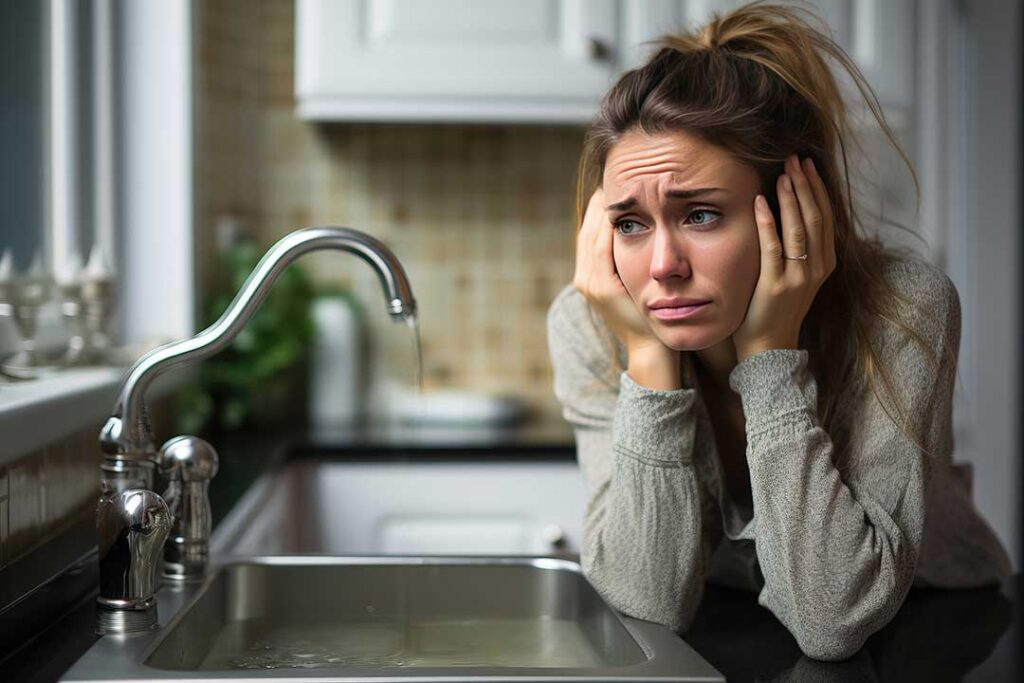
Frozen plumbing can happen during a short period of severe winter weather, especially in homes with exposed pipes, unheated spaces, or exterior walls. In Warrenton, MO, a rapid temperature drop can freeze water in supply lines before a resident notices a problem.
The safest response is to shut off water when necessary, warm the pipe gradually, and watch for leaks as the ice melts. Never use an open flame or any heating method that could ignite nearby materials.
How can you tell if a pipe is frozen?
A frozen pipe may show several warning signs before it bursts. The most common is weak or absent water flow from a faucet that normally works. A faucet may produce only a trickle, or no water at all, even though other fixtures in the home operate normally.
Other signs include:
- Frost or visible ice on an exposed pipe
- Unusual bulging, cracking, or splitting in the pipe
- A faint whistling or hissing sound near a wall or fixture
- Damp drywall, stains, or puddles after temperatures rise
- A toilet tank or supply line that will not refill
- Several fixtures losing water at the same time
If only one fixture is affected, the frozen section may be near that fixture or in a nearby wall. If multiple fixtures lose water, the problem may be closer to the main water entry point or involve a broader section of the plumbing system.
What should you do first?
Start by opening the affected faucet slightly. This relieves pressure in the pipe and gives melting ice a place to escape. Both the cold and hot handles may be opened if both lines appear affected.
Next, locate the home’s main water shutoff and make sure it is accessible. If a pipe has already burst, water is spraying, or a leak appears as thawing begins, shut off the water immediately. The main shutoff is often near where the water service enters the building, although its exact location varies by home.
Check nearby areas for electrical hazards. If water has reached outlets, appliances, wiring, or the electrical panel, avoid standing in the water or touching electrical equipment. Leave the area and use the home’s electrical shutoff only if it can be done safely without contacting water.
How should a frozen pipe be thawed?
Apply gentle, steady heat to the frozen section. Safe options include:
- A hair dryer held several inches away
- A heating pad designed for household use
- Warm towels replaced as they cool
- A portable heater used only under constant supervision and kept away from combustible materials
Begin warming at the faucet and work gradually toward the blocked area. This allows pressure to move toward the open fixture rather than becoming trapped between ice plugs.
Keep cabinet doors open beneath sinks so warm air can reach the plumbing. If the pipe runs through a cold room, raise the room temperature and open interior doors to improve air circulation.
Never use a torch, lighter, candle, propane heater, or other open flame. Direct flame can ignite wood framing, insulation, dust, or household materials. It can also heat a pipe unevenly and cause damage before the ice has fully melted.
Do not pour boiling water directly over a pipe. Sudden temperature changes can damage some pipe materials, and water may create a burn hazard or freeze on nearby surfaces.
What if the pipe is inside a wall?
A pipe hidden behind drywall may be difficult to warm safely. Increase indoor heat, open nearby cabinets or access panels, and keep the affected faucet open slightly. Do not cut into a wall unless the location of the frozen pipe is reasonably clear and there is a safe plan for handling the opening.
If the wall begins to bulge, discolor, or feel wet, treat it as a possible leak rather than waiting for complete thawing. Water from a ruptured pipe can spread inside walls, ceilings, and floors even when the visible leak appears small.
Some homes have plumbing routed through exterior walls, crawl spaces, garages, or additions that are less insulated than the main living area. These locations deserve extra attention during prolonged cold weather.
What should you do if the pipe bursts?
Shut off the main water supply as quickly as possible. Open a faucet at a lower level of the home to help drain pressure and remaining water from the system. Move furniture, boxes, and other belongings away from the leak if doing so is safe.
If water is near electricity, avoid the area. If the electrical shutoff can be reached without entering water or touching wet equipment, turn off power to the affected area. Otherwise, wait for qualified emergency assistance.
Take photographs of visible damage after immediate safety steps are complete. Remove standing water when possible to reduce damage to flooring, drywall, cabinets, and personal property. Wet materials can develop mold or structural problems if they remain damp for an extended period.
A pipe that bursts during a freeze may not leak immediately. Ice can temporarily seal a crack, then release water as thawing continues. Continue watching exposed pipes, ceilings, walls, and cabinets after water service is restored.
Which frozen pipes need urgent attention?
Some situations should not be handled with trial-and-error thawing. Urgent assistance is appropriate when:
- The pipe is split, bulging, or actively leaking
- The frozen section is inside a wall or ceiling
- Water is near electrical wiring or equipment
- The main shutoff cannot be located or operated
- A boiler, water heater, or fire protection system may be affected
- Freezing has affected several parts of the home
- The property is vacant or cannot be monitored during thawing
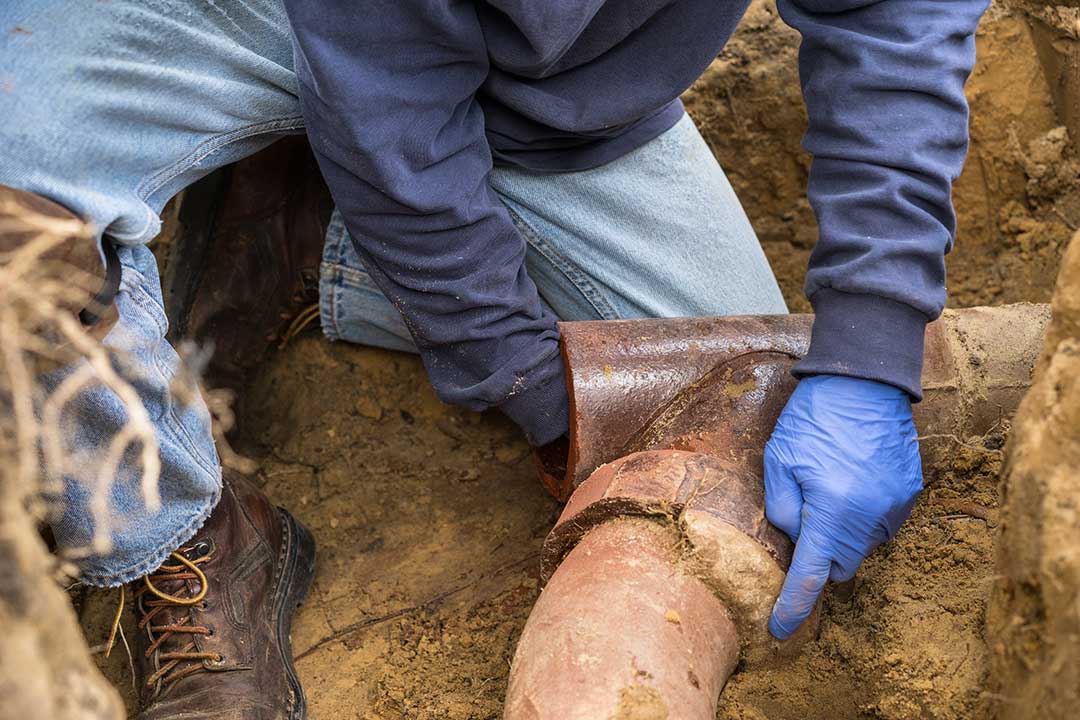
Do not disconnect or alter fire sprinkler piping. A frozen sprinkler line can create both property damage and life-safety concerns and requires specialized handling.
How can frozen pipes be prevented during cold weather?
Prevention begins before the temperature drops. Insulate accessible pipes in unheated areas, particularly near exterior walls, crawl spaces, garages, and utility rooms. Seal gaps around pipe openings where cold air enters, but avoid blocking required ventilation around fuel-burning equipment.
During unusually cold weather:
- Keep indoor heat set to a consistent temperature
- Open cabinet doors beneath sinks on exterior walls
- Let a small stream of water flow from vulnerable faucets when appropriate
- Keep garage doors closed
- Disconnect outdoor hoses and protect exterior hose connections
- Open interior doors so heated air can circulate
- Ask someone to check the plumbing if the home will be vacant
A slow drip may help relieve pressure, but it does not guarantee that a pipe will not freeze. Moving water can still freeze in an exposed or poorly insulated section, so dripping faucets should be paired with insulation and adequate indoor heat.
In rural and lower-density parts of the community, longer service lines, crawl spaces, wells, and detached structures can create additional freezing risks. Outdoor buildings should be winterized separately, and exposed water lines should not be assumed to receive heat from the main house.
What should happen after the pipe thaws?
Inspect the entire accessible plumbing system, not just the area that first stopped flowing. Look for cracks, damp insulation, wet flooring, soft drywall, and leaks at valves or fittings. Run water slowly at first and remain near the fixture while checking for problems.
If no leak appears immediately, continue monitoring for several hours. A small split may open gradually as pressure returns to the line. Replace damaged insulation after the area is dry, and address drafts or gaps that allowed the pipe to freeze.
Knowing the main shutoff location, keeping vulnerable areas warm, and responding cautiously to weak water flow can limit damage during the next hard freeze.