

 See My Latest Article on HelloNation
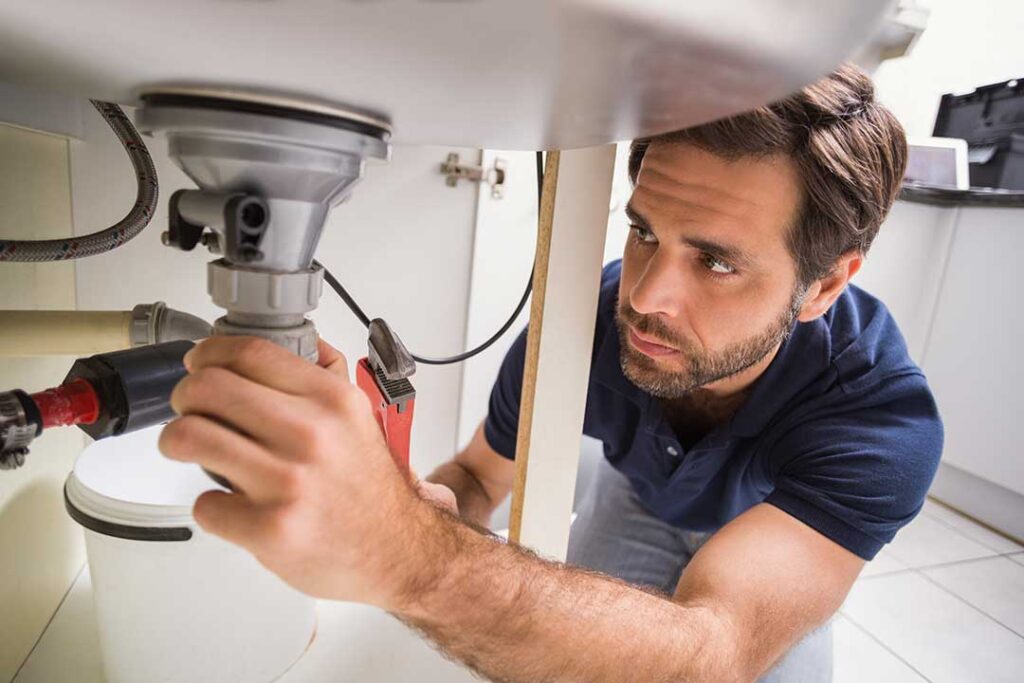
How often should you check for plumbing leaks?
Most households should perform a quick plumbing leak check once a month and a more thorough inspection two to four times a year. Homes with older pipes, a crawl space, a basement, a water softener, or a history of moisture problems may need more frequent checks.
A monthly inspection does not require special equipment. It mainly involves looking, listening, and checking whether water use seems normal. Many plumbing leaks begin as small, slow drips that remain hidden for weeks or months before causing visible damage.
A thorough leak check should include:
- Supply lines beneath sinks
- Toilet tanks and bases
- Washing machine hoses
- Water heater connections
- Exposed pipes in basements, crawl spaces, and utility areas
- Faucets, shower valves, and outdoor hose connections
- Areas around ceilings, walls, and floors where staining or dampness may appear
Why are regular leak checks useful in Warrenton?
Seasonal temperature changes make routine inspections especially worthwhile. Cold weather can stress exposed pipes, hose connections, and outdoor plumbing, while spring storms and humid conditions can make small moisture problems harder to notice.
Many area homes include basements, crawl spaces, attached garages, or unfinished utility spaces where a slow leak may remain out of sight. Pipes located near exterior walls or in poorly insulated spaces deserve extra attention before freezing weather arrives.
Homes of different ages can have different risks. Older plumbing may include aging shutoff valves, worn washers, corroded connections, or supply lines that have been disturbed during remodeling. Newer homes can still develop leaks from loose fittings, failed seals, appliance connections, or installation defects.
What should you check each month?
A monthly inspection can usually be completed in about 10 to 15 minutes. Start in rooms where water is used regularly.
Under sinks, look for:
- Damp cabinet floors
- Swollen wood or peeling laminate
- Mineral deposits around valves and connections
- Musty odors
- Drips that appear after the faucet has been running
Check toilet tanks and bases as well. A toilet may leak silently from the tank into the bowl, wasting water without leaving a puddle. A loose or deteriorated connection at the base can leave moisture around the floor or produce a recurring odor.
Inspect faucets and shower areas for dripping after the handles are fully closed. Water marks, soft caulk, loose trim, or discoloration around a tub or shower can indicate water is reaching areas behind the finished surface.
Look around appliances that use water, including washing machines, dishwashers, refrigerators with water dispensers, and water heaters. Check both the appliance connection and the nearby flooring. A small leak may spread beneath flooring before becoming obvious.
How can you tell whether a leak is hidden?
Some leaks do not appear as visible drops. Instead, they show up through changes in water use, sound, or building materials.
Warning signs include:
- An unexplained increase in the water bill
- A water meter that moves when all fixtures are off
- Pipes that hiss, whistle, or drip inside walls
- Peeling paint or bubbling drywall
- Warm or damp spots on floors
- Mildew or persistent musty smells
- Cracks, stains, or discoloration near plumbing fixtures
- Water that pools near a foundation wall or utility area
To perform a simple water-meter check, turn off faucets and appliances that use water. Make sure toilets have finished refilling, then observe the meter. If the reading or leak indicator continues moving, the home may have an active leak.
This test is most useful when no one uses water during the observation period. A toilet that refills occasionally, an ice maker, or an automatic water treatment device can affect the result.
When should a more thorough inspection be done?
In addition to monthly checks, inspect the plumbing more carefully at least once each season. Two inspections deserve special attention: before freezing weather and after winter conditions have passed.
Before winter, check exposed pipes, outdoor faucets, hose bibs, and shutoff valves. Remove connected garden hoses and make sure outdoor plumbing is properly drained when appropriate. Look for cracked fittings or areas where insulation has shifted.
After a hard freeze, inspect for:
- New dripping around outdoor faucets
- Water stains near ceilings or walls
- Damp insulation
- Cracks or bulges in exposed pipes
- Reduced water pressure
- Unusual sounds when fixtures are used
A pipe can freeze without immediately bursting. Damage may become apparent only after temperatures rise and water pressure returns to the weakened section.
Spring is also a good time to examine basement and crawl-space plumbing. Seasonal moisture can make it difficult to distinguish a plumbing leak from condensation or groundwater. The location, smell, and timing of the moisture can provide useful clues.
Are some households more likely to need frequent checks?
Yes. Monthly checks are a minimum for many homes, but certain conditions justify inspecting more often.
Check every few weeks if the home has:
- Plumbing that is more than several decades old
- Previous leaks or water damage
- Flexible supply lines that are aging or discolored
- A water heater near the end of its expected service life
- A finished basement
- A crawl space that is difficult to access
- An unoccupied period lasting more than a few days
- Recent remodeling or appliance installation
Before leaving the home vacant, shut off the main water supply if the plumbing system and heating conditions make that appropriate. Never shut off water without considering fire-sprinkler systems, heating equipment, or other systems that may require a water supply. During cold weather, keeping indoor heat at a safe level is also important for protecting pipes.
What should you do if you find a leak?
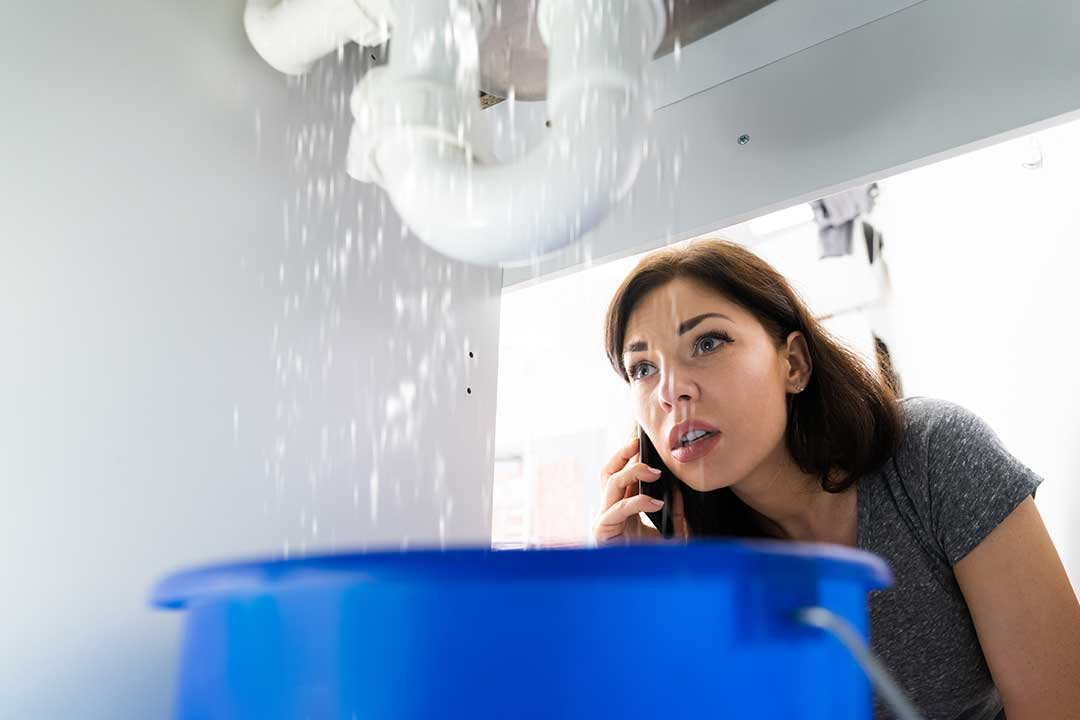
First, identify whether the leak is active and how quickly water is accumulating. Place a container beneath a small accessible drip and protect nearby cabinets, flooring, and electrical equipment from water.
If water is flowing steadily, shut off the nearest fixture valve or the home’s main water supply. Use caution around wet electrical components. Water near outlets, panels, appliances, or wiring creates a safety concern and should not be handled casually.
Photograph the affected area and note when the leak began. This information can help distinguish a one-time overflow from an ongoing supply-line or drainage problem.
Do not ignore a slow leak simply because it is not producing much water. Persistent moisture can damage flooring, subflooring, drywall, insulation, framing, and stored belongings. Sewage-related leaks, rapidly spreading water, frozen and ruptured pipes, or leaks near electrical equipment require prompt attention because they can create health or safety hazards.
What is the simplest leak-prevention routine?
A practical routine is to inspect visible plumbing monthly, perform seasonal checks in spring, summer, fall, and winter, and test the water meter when water use seems unusual. Pay particular attention after freezing weather, remodeling, appliance installation, or a period when the home has been vacant.
Regular checks are not a substitute for maintaining worn components, but they can reveal problems while they are still smaller, more accessible, and less damaging to the home.