

 See My Latest Article on HelloNation
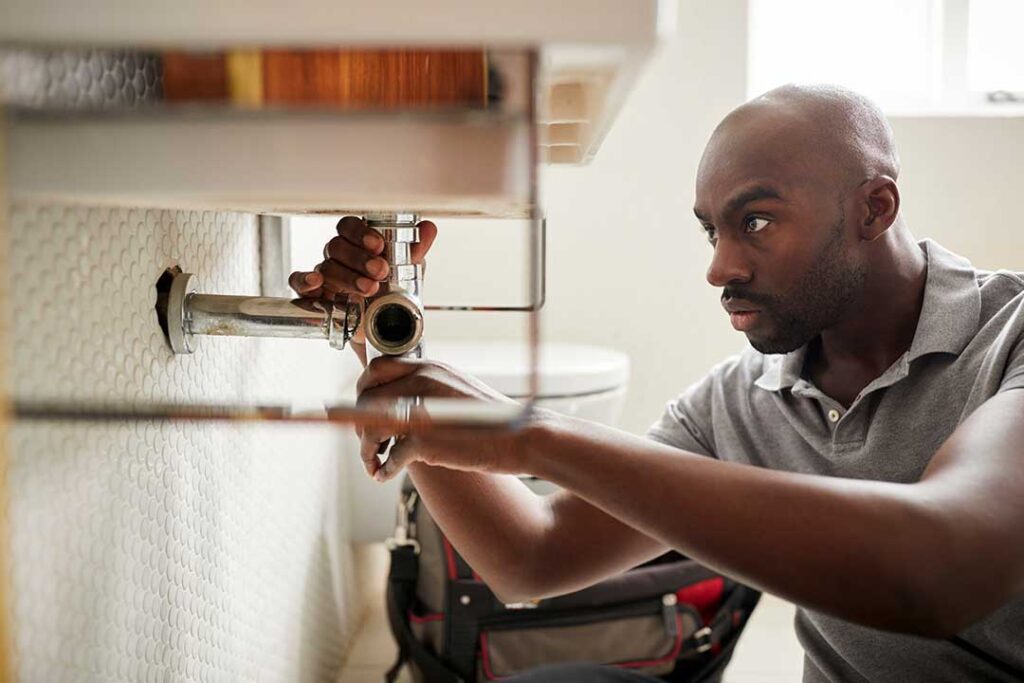
Water hammer is the banging, thudding, or vibrating sound that occurs when moving water stops or changes direction suddenly inside a plumbing system. Although the noise may seem minor, repeated pressure shocks can loosen fittings, strain valves, and contribute to leaks over time.
What causes water hammer?
Water hammer happens when water moving through a pipe is forced to stop too quickly. Because water has momentum, the sudden stop creates a pressure wave that travels through the piping. That wave may produce a single bang, a series of knocks, or vibration that continues for several seconds.
Common causes include:
- Fast-closing faucet or appliance valves
- Loose or poorly supported pipes
- Excessively high household water pressure
- Waterlogged or failed air chambers
- Solenoid valves in washing machines, dishwashers, and ice makers
- Long pipe runs that allow water to build up more momentum
- Changes to the plumbing system, such as a new shutoff valve or replacement appliance
The noise may occur when a toilet finishes filling, a washing machine changes cycles, or a faucet is closed quickly. It can also appear only at certain times, making the source difficult to identify.
Why does the plumbing bang when a faucet or appliance shuts off?
A faucet or appliance valve can stop water flow faster than a traditional hand-operated faucet. Washing machines are a common example because their electronically controlled valves open and close almost instantly. The water moving through the supply lines has no time to slow gradually, so the resulting pressure wave makes the pipes shake or bang.
The sound may seem to come from a wall, ceiling, or floor rather than the appliance itself. That happens because the pressure wave travels through the connected piping. Pipes may move against framing, clamps, flooring, or nearby surfaces, amplifying the noise.
A toilet can create similar symptoms if its fill valve closes abruptly. A dishwasher or refrigerator water line may also be involved, even when the sound occurs in another part of the home.
Is water hammer dangerous?
Occasional mild noise is not usually an emergency, but persistent water hammer should not be ignored. Repeated pressure shocks can place stress on:
- Pipe joints and threaded connections
- Shutoff valves
- Appliance hoses
- Soldered, crimped, or push-fit fittings
- Water supply lines inside walls or cabinets
In older homes, the risk may be greater if pipes are loosely supported, fittings have weakened, or previous repairs were made without adequately securing the lines. A small movement may gradually become a leak.
Water hammer is also different from normal pipe expansion. Expansion noise usually sounds like ticking or creaking as hot water causes piping to shift. Water hammer is more sudden and forceful, often occurring immediately after a valve closes.
How can water hammer be diagnosed?
Start by identifying exactly when the sound occurs. Listen for whether it happens when:
- A particular faucet closes
- The toilet tank finishes filling
- The washing machine starts or stops
- The dishwasher changes cycles
- An outdoor faucet is shut off
- Several fixtures are used in sequence
If possible, operate one fixture at a time. This can help determine whether the source is a valve, an appliance, or a section of loose piping.
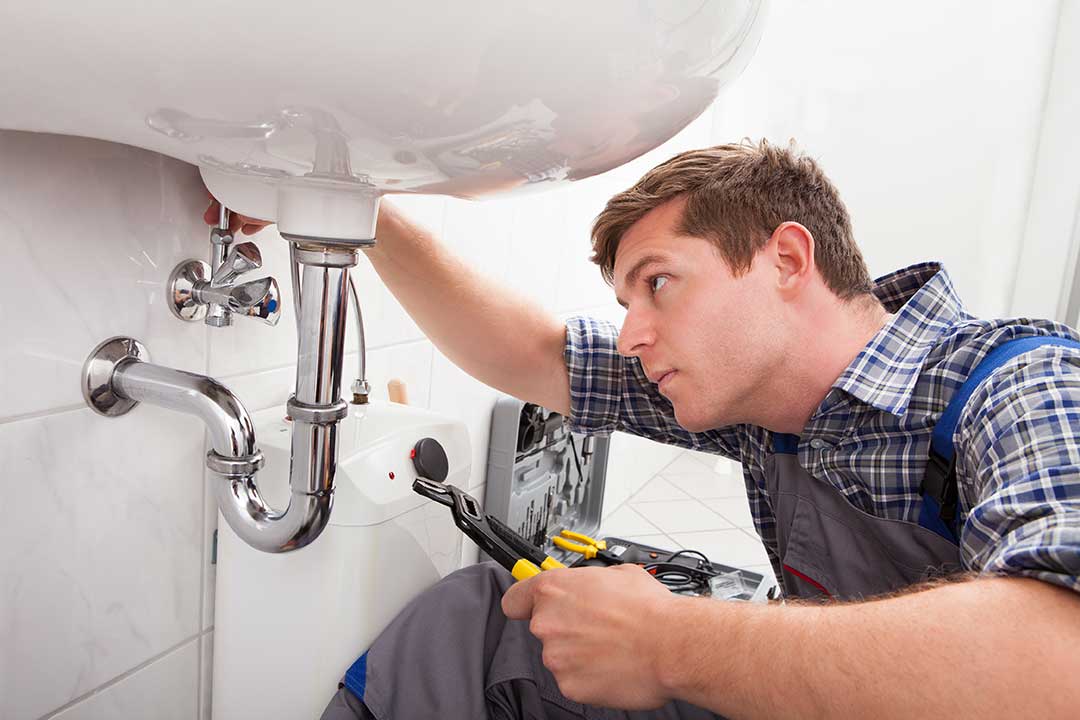
Check whether the noise is a single bang or a continuing vibration. A single thud often points to a sudden valve closure. Repeated rattling may indicate that a pipe is moving against a support or structural surface.
Water pressure can also be a factor. High pressure makes the pressure wave more forceful and can contribute to other plumbing problems, including dripping faucets, running toilets, and premature failure of appliance hoses. A pressure gauge attached to a suitable hose connection can help reveal whether pressure is unusually high, but testing should be done carefully and with the correct equipment.
What are the simplest ways to reduce water hammer?
Several basic steps may reduce the noise without opening walls or changing the plumbing system.
First, close manual faucets more gradually. This does not solve the underlying problem, but it can confirm that rapid valve closure is involved.
Next, check that appliance supply hoses are not kinked, stretched, or striking the cabinet or wall. A washing machine hose that taps against a hard surface can make water hammer sound worse than it is.
Inspect exposed piping under sinks, near the water heater, and in unfinished areas. If a pipe moves noticeably when a valve opens or closes, it may need better support. Pipe supports should hold the line securely without crushing it or restricting movement caused by normal temperature changes.
Toilet fill valves and faucet cartridges may also need cleaning or replacement if they are closing unevenly. A worn valve can create a combination of whistling, vibration, and banging.
Do water hammer arrestors help?
A water hammer arrestor is designed to absorb the pressure shock created when water stops suddenly. It contains a cushion, commonly an air space separated from the water by a piston or diaphragm. The cushion gives the moving water somewhere to transfer its force, reducing the pressure wave.
Arrestors are often installed near fast-closing appliances, especially washing machines and dishwashers. Placement matters: an arrestor generally works best near the valve creating the shock rather than far away on the main supply line.
Older plumbing systems may contain simple air chambers instead. These are capped sections of pipe intended to hold air and soften the pressure change. Over time, water can fill the chamber, eliminating its cushioning effect. Draining and refilling the system may restore some function in certain installations, although this is not a permanent solution for every design.
Can high water pressure cause pipe banging?
Yes. High water pressure can make water hammer more noticeable and increase stress on plumbing components. Pressure-reducing equipment, if installed, may need inspection if it is malfunctioning or incorrectly adjusted.
A pressure issue may be more likely if several fixtures show symptoms at once. Signs can include banging throughout the home, leaking appliance hoses, faucets that spit or chatter, or toilets that shut off noisily.
Pressure should not be adjusted casually. Incorrect settings can reduce fixture performance, damage equipment, or create conditions that do not meet plumbing requirements. If pressure appears excessive or unstable, evaluation may be necessary for safe correction.
Why can seasonal conditions affect water hammer in Warrenton?
Seasonal changes can expose plumbing weaknesses. During colder weather, homes may be closed up more tightly, and occupants may notice noises that were previously masked by open windows or outdoor activity. Cold conditions can also make pipe supports, framing, and other materials contract slightly, changing how piping contacts surrounding surfaces.
In area homes with basements, crawl spaces, additions, or remodeled kitchens and bathrooms, plumbing may pass through a mix of newer and older construction. Differences in pipe materials and support methods can make vibration more noticeable. Homes that have experienced renovations may also have longer supply runs or newer fast-closing valves connected to older piping.
Winter weather brings another concern: a water hammer problem accompanied by poor flow, frost-related damage, or visible leakage should be treated cautiously. Shut off water if a pipe begins leaking heavily, and take immediate safety measures if water reaches electrical equipment.
When should the problem be investigated further?
Water hammer deserves prompt attention when the noise is becoming louder, occurring throughout the home, or accompanied by damp cabinets, stained ceilings, wet wall areas, reduced water pressure, or visible pipe movement.
The same applies when a supply hose bulges, a valve vibrates continuously, or a pipe makes noise even when fixtures are not being used. Those symptoms may indicate a separate pressure, valve, or structural support problem rather than ordinary water hammer alone.
A careful diagnosis usually begins with the fixture that triggers the noise, followed by inspection of accessible pipes, supports, valves, appliance connections, and household water pressure. Fixing the cause is more reliable than simply adding insulation around a noisy pipe.